Shiba Inus are a beloved breed known not just for their striking, fox-like looks but also for their spirited attitude and self-assured charm. With their alert expressions, curled tails, and upright ears, they tend to capture attention wherever they go. While much is said about their bold personalities, one feature that truly defines the breed is their coat, dense, plush, and surprisingly low-maintenance when properly cared for.
Understanding the unique coat types and grooming needs of the Shiba Inu is essential for keeping your furry companion healthy and looking their best. Whether you’re new to the breed or a proud long-time owner, this comprehensive guide will walk you through everything you need to know to keep that signature coat in top shape.
Understanding Shiba Inu Coat Types
One of the first things you’ll notice about a Shiba Inu is their coat. It’s thick, neat-looking, and almost always looks like it’s been freshly brushed. Most Shibas have a classic double coat, but the texture and length can vary a bit from dog to dog. These small differences can actually change how often you’ll need to groom them or how well they tolerate heat and cold.
That’s why it’s so helpful to get to know your Shiba’s specific coat type. Once you do, you can build a grooming routine that keeps them comfortable, healthy, and, of course, looking as sharp as ever.
All Types of Shiba Inu Coats
1. Standard Double Coat
This is the coat most people picture when they think of a Shiba Inu. It’s made up of a soft, dense undercoat that keeps them warm, and a tougher outer layer that helps shed dirt and water.
The result? That plush, always-clean look Shibas are known for. These pups shed a lot especially during seasonal changes so regular brushing is a must to stay ahead of the fur and keep their coat in top shape.
2. Long-Haired (Wooly) Coat
Some Shibas carry a rare gene that gives them longer, fluffier fur especially around the ears, chest, tail, and legs. They’re not accepted in dog shows, but many owners love their softer, teddy bear vibe.
The trade-off? These wooly coats need more frequent grooming to avoid tangles and buildup. They can also shed just as much as standard-coated Shibas, so a solid brushing routine is key.
3. Short or Sparse Coat
Less common but still seen from time to time, some Shibas have finer, thinner coats. This can happen due to genetics, aging, or even certain health issues. They usually don’t shed as noticeably, but they also lose some of the natural protection against cold and heat. If your Shiba has a sparser coat, they might need extra help staying warm in winter or cool under the summer sun. Grooming is easier, but still important.
4. Puppy Coat
Every Shiba Inu starts off life with a soft, fluffy baby coat. It’s super cuddly and helps keep them warm in those early weeks. Around 4 to 6 months old, they start to lose this puppy fur as their adult coat grows in.
It can be a messy phase, but regular brushing makes the transition smoother and helps your pup get used to being groomed early on.
5. Damaged or Altered Coat
Sometimes a Shiba’s coat doesn’t look or feel right, maybe it’s patchy, dull, or rough. This can be caused by poor grooming habits, a lack of proper nutrients, or health problems.
When the coat is damaged, it loses its natural ability to protect the dog from the elements. Recovery takes time and patience, often involving a better diet, vet care, and gentler grooming practices to help their coat grow back strong and shiny.
All Types of Shiba Inu Coats by color
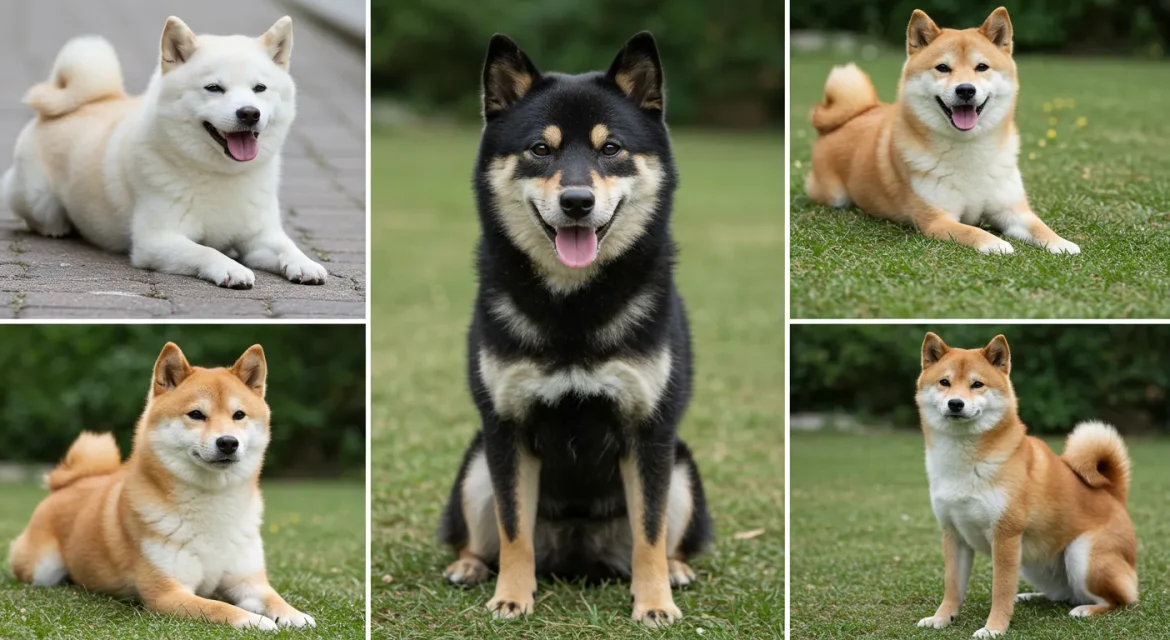
Shiba Inus come in a variety of coat colors, each with its own charm and grooming needs. While their signature double coat is consistent across all variations, the color patterns can greatly influence their appearance and even their recognition in breed standards.
1. Red
The red coat is the most iconic and widely recognized color in Shiba Inus. It features a rich, orange-red hue complemented by lighter cream or white urajiro markings on the cheeks, chest, belly, and inner legs. This classic look is what most people associate with the breed.
While beautiful, red coats tend to show dirt and dust more easily. Regular brushing is essential to preserve their vibrant glow and manage seasonal shedding.
2. Black and Tan
Black and tan Shibas sport a sleek black base with tan points on the legs, cheeks, and above the eyes. These markings are paired with the traditional urajiro, creating a sharp, expressive contrast.
Though shedding may be less noticeable on the darker coat, the lighter markings make it easier to detect loose hairs. Regular grooming helps maintain their defined pattern and tidy appearance.
3. Sesame
The sesame coat is among the rarest and most admired. These Shibas have a red base with a subtle, evenly distributed black overlay, creating a textured and shaded look. A true sesame coat should not appear patchy but well-blended.
Because of its complexity, this coat benefits from frequent brushing to emphasize the natural gradient and keep the fur from looking dull or unkempt.
4. Cream
Cream Shibas are elegant and soft-toned, with a pale ivory or off-white coat. Their urajiro markings are often indistinguishable due to the overall light coloration. While striking, this color is not favored in conformation shows due to its lack of contrast.
Cream coats are prone to showing stains, especially around the paws and muzzle. Regular bathing and consistent grooming are key to keeping them clean and looking refined.
Shedding and Seasonal Coat Changes
Shiba Inus are famously heavy shedders, and one of the most significant grooming challenges for owners is managing their seasonal coat changes, commonly referred to as “blowing coat.” This dramatic shedding typically occurs twice a year once in the spring and again in the fall as the dog’s coat adjusts to temperature shifts.
During this time, Shibas shed large amounts of their dense undercoat, often in thick clumps. The process can last anywhere from two to four weeks, depending on the individual dog and the climate. For first-time owners, the sudden volume of fur might be surprising, but it’s a completely natural and healthy part of the Shiba Inu’s grooming cycle.
How to Groom a Shiba Inu: A Realistic, Step-by-Step Guide
Grooming a Shiba Inu might sound like a lot, but once you get into the routine, it becomes second nature. These little fluffballs are surprisingly clean on their own, but their thick double coat definitely needs your help to stay healthy and tidy. Here’s how you can keep your Shiba looking sharp without turning your house into a fur-covered war zone.
Brushing
Let’s start with brushing, probably the most important part of Shiba grooming. On a normal week, brushing two to three times is fine. But when your Shiba is “blowing coat” , you’ll want to brush daily.
Start with a slicker brush to get the loose fur on the surface, then go in with an undercoat rake to get all the fluff hiding underneath. Trust me, your floors will thank you.
Bathing
Shibas don’t need baths that often, which is a win for both of you. Bathing every three to four months is usually enough unless your pup rolls in something questionable.
When you bath them, use a dog-safe shampoo, rinse really well (Shibas hate leftover soap), and dry them completely. Damp fur can cause skin issues, and no one wants a musty dog smell hanging around.
Nail Trimming
Now for nails it’s not most dogs’ favorite, but it’s important. Every few weeks, give them a trim using a clipper or grinder designed for dogs.
Just be super careful not to cut the quick (that pinkish bit inside the nail), because it hurts and bleeds. If you’re nervous, go slow or ask your vet or groomer to show you how.
Ear Cleaning
Shiba ears are cute and alert, but they can get dirty. Once a month, check them out and give them a gentle wipe with a vet-approved ear cleaner.
Just clean the visible parts and never stick anything deep into their ears. A cotton ball or soft cloth is perfect for this job.
Dental Care
Yes, brushing your dog’s teeth is a thing and it really matters. Aim to do it two to three times a week with a toothbrush and toothpaste made for dogs (human toothpaste is a no-go).
It keeps their teeth clean, breath fresher, and helps avoid expensive dental visits later.
Extra Care for Long-Haired Shibas
If you have a wooly or long-haired Shiba, grooming takes a little more effort. Their thick coats can tangle easily, especially around the ears, under the legs, and near the tail.
Brush them more often at least three or four times a week and be gentle in those trouble spots to prevent mats.
Feeding for a Healthy Coat
Believe it or not, what your Shiba eats affects how their coat looks and feels. A diet rich in good protein, omega fatty acids, and essential nutrients will keep their fur shiny and skin happy. So, if you want less shedding and more glow, start with their bowl.
Common Skin and Coat Issues in Shiba Inus
Shiba’s are generally healthy but can still face coat and skin problems. Dry, flaky skin may signal allergies or poor nutrition. Hot spots often result from excessive licking or scratching. Hair loss might indicate mange or thyroid issues. Persistent itching could be due to fleas, allergies, or irritants. Always consult a vet for proper diagnosis and treatment.
Grooming Mistakes to Avoid
Avoid shaving your Shiba Inu as their double coat helps regulate body temperature. Don’t overbathe, as it strips essential oils from the skin. Skipping brushing during shedding seasons causes painful mats. And never use human grooming products, which can irritate a dog’s skin.
Do Shiba Inus Need Professional Grooming?
Most grooming tasks can be done at home, but professionals are helpful for wooly Shibas or if you’re uncomfortable trimming nails and cleaning ears. Groomers can also provide seasonal deshedding and spot early signs of health problems.
Making Grooming a Positive Experience
Start grooming early in your Shiba’s life. Keep sessions short and relaxed, and reward calm behavior with treats and praise. Patience and consistency will help build your dog’s tolerance and make grooming less stressful.
Conclusion
Grooming your Shiba Inu is far more than just a way to keep them looking adorable; it’s a key part of maintaining their overall health, comfort, and happiness. As a breed known for its independent nature and thick double coat, Shibas require a dedicated grooming regimen tailored to their unique needs. Regular brushing, especially during shedding seasons, helps manage loose fur and distributes natural oils that keep the coat shiny and healthy. Bathing, nail trimming, ear cleaning, and dental care are also important to prevent discomfort and common health issues. Beyond physical upkeep, grooming offers a chance to bond with your dog, monitor their skin and coat condition, and reinforce positive behavior.
Early introduction to grooming routines and creating a stress-free experience can make a big difference in how your Shiba responds. With patience and consistency, grooming becomes not just a responsibility, but a rewarding ritual that strengthens the connection between you and your Shiba Inu.
Understanding their coat type, managing seasonal shedding, and sticking to a consistent grooming schedule will keep your dog looking and feeling great. With proper care, you’ll maintain their iconic appearance and strengthen your bond along the way.