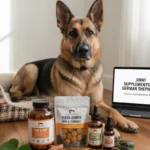
As a loving pet owner, there’s nothing more distressing than seeing your dog suffer from allergies. The constant scratching, inflamed skin, digestive upset, and recurring ear infections can significantly impact their quality of life. While environmental factors are often culprits, food allergies are a major cause of these issues. The good news is, a specially formulated hypoallergenic diet can be a game-changer.
This comprehensive guide will walk you through what hypoallergenic dog food is, how it works, and a list of 15 top-rated brands and their beneficial ingredients to help you find the best option for your furry friend.
What does Hypoallergenic Dog Food Mean?
Hypoallergenic dog food is specially formulated dog food designed to minimize the risk of allergic reactions in dogs. It typically contains limited ingredients, novel proteins, or hydrolyzed proteins that are easier for dogs to digest and less likely to trigger allergies.
These foods often avoid common allergens such as beef, chicken, dairy, wheat, soy, or corn, and may use single protein sources like lamb, venison, or fish. Hypoallergenic dog food is especially beneficial for dogs with sensitive skin, digestive issues, or chronic itching, helping to improve their overall health, comfort, and quality of life.
The Benefits of a Hypoallergenic Diet
Switching to a hypoallergenic diet offers a multitude of benefits for an allergic dog:
- Reduced Allergic Reactions: The primary benefit is the significant reduction or complete elimination of symptoms like itching, redness, skin rashes, and chronic ear infections.
- Improved Skin and Coat Health: Many hypoallergenic formulas are rich in Omega-3 and Omega-6 fatty acids, which have anti-inflammatory properties and are essential for a healthy skin barrier and a shiny coat.
- Better Digestive Health: These diets are often highly digestible, which can alleviate gastrointestinal issues such as vomiting, diarrhea, and gas.
- Enhanced Overall Well-being: By addressing the root cause of the discomfort, your dog will feel more comfortable and energetic, leading to a happier and healthier life.
Note: Always consult your veterinarian before making a major dietary change for your dog. A vet can help you conduct an elimination diet trial to pinpoint the specific allergen and recommend the best course of action.
How do I know if my dog needs hypoallergenic food?
1. Persistent Itchy Skin or Hot Spots
Constant scratching, licking, or biting at the skin can indicate an allergic reaction. Red, inflamed patches (hot spots) are common in dogs with food allergies.
2. Chronic Ear Infections
Frequent ear infections, especially if they are recurrent or resistant to treatment, can be a sign of an allergy. Dogs with food sensitivities often have red, itchy ears and may shake their heads a lot.
3. Digestive Issues
Vomiting, diarrhea, or excessive gas after meals could indicate your dog’s system doesn’t tolerate certain ingredients. Soft stools or frequent bowel issues may improve when switching to a hypoallergenic diet.
4. Poor Coat or Skin Condition
Dull, flaky, or greasy fur can be a sign of an allergic reaction. Red or inflamed skin without external cause may indicate a food allergy.
5. Unexplained Paw Licking or Chewing
Constant licking or chewing of paws, even without injury, can indicate irritation caused by a food allergy.
15 Best Hypoallergenic Dog Foods For Dogs with Allergies
1. Royal Canin Hypoallergenic Hydrolyzed Protein
This prescription diet features hydrolyzed soy protein, which is broken down into smaller components to reduce allergic reactions. It’s designed to support dogs with food sensitivities and is often recommended by veterinarians.
2. Hill’s Prescription Diet z/d
Formulated with hydrolyzed chicken liver and a blend of essential nutrients, this diet helps manage adverse food reactions and supports skin and digestive health. It’s clinically proven to reduce the risk of food allergies.
3. Purina Pro Plan Veterinary Diets HA Hydrolyzed
Using hydrolyzed soy protein isolate, this formula is designed to help manage food sensitivities and support skin health. It’s fortified with antioxidants to promote a healthy immune system.
4. Canidae PURE Limited Ingredient Grain-Free
This diet contains a single animal protein source, such as lamb, and is free from grains, making it suitable for dogs with food sensitivities. It includes probiotics for digestive health and omega fatty acids for skin and coat support.
5. Natural Balance L.I.D. Limited Ingredient Diets
Featuring a single animal protein like duck or salmon and a single carbohydrate source, this diet helps minimize food allergens. It’s designed to support digestive health and maintain a healthy skin and coat.
6. Wellness Simple Limited Ingredient Diet
This formula uses a single protein source, such as turkey or lamb, and easily digestible carbohydrates. It’s crafted to minimize food allergens and support skin and stomach health.
7. Merrick Limited Ingredient Diet
With a single animal protein like salmon or lamb and no grains, this diet is suitable for dogs with food sensitivities. It includes omega fatty acids for skin and coat health and is free from artificial colors, flavors, and preservatives.
8. Acana Singles + Wholesome Grains
This diet features a single animal protein source, such as duck or pork, and wholesome grains like oats and pumpkin. It’s designed to support digestive health and provide balanced nutrition for dogs with food sensitivities.
9. Orijen Original
Biologically appropriate and grain-free, this diet includes multiple protein sources like chicken, turkey, and fish. It’s rich in protein and nutrients to support overall health and is suitable for dogs with mild sensitivities.
10. Victor Hi-Pro Plus
This high-protein diet includes beef, chicken, and pork meals, providing balanced nutrition for active dogs. It’s designed to support muscle development and overall health.
11. Taste of the Wild High Prairie Canine Recipe
Featuring roasted bison and roasted venison as primary protein sources, this grain-free diet supports lean body mass and muscle strength. It’s rich in antioxidants for immune system health.
12. Blue Buffalo Basics Limited Ingredient Diet
This diet uses turkey as a single animal protein source and includes easily digestible carbohydrates like potatoes and peas. It’s designed to support digestive health and minimize food allergens.
13. Solid Gold Leaping Waters
With salmon as the first ingredient, this grain and gluten-free diet includes vegetables and fruits for balanced nutrition. It’s crafted to support healthy digestion and a shiny coat.
14. Natural Planet Sensitive Skin & Stomach
This diet features lamb as the primary protein source and includes rice and sweet potatoes for digestible carbohydrates. It’s designed to support skin and digestive health.
15. Instinct Limited Ingredient Diet Grain-Free
With duck or salmon as the single animal protein source, this diet is free from grains and artificial additives. It’s formulated to support digestive health and minimize food allergens.
Types of Hypoallergenic Dog Diets
When dealing with canine food allergies, the goal is to identify and eliminate the specific ingredients causing an adverse reaction. This is where different types of hypoallergenic diets come into play. These specialized diets are designed to be “invisible” to a dog’s immune system, preventing the allergic response and alleviating symptoms.
Here are the main types of hypoallergenic dog diets:
1. Novel Protein Diets
This is one of the most common approaches to managing food allergies. A “novel” protein is simply a protein source that your dog has never been exposed to before. Since their immune system hasn’t encountered this protein, it’s less likely to trigger an allergic reaction.
- How they work: By switching to a diet that contains a protein your dog has no history with, you bypass the immune response that has developed against a previous allergen (e.g., chicken or beef).
- Common Novel Proteins: Examples include venison, duck, kangaroo, rabbit, salmon, or even more exotic options like bison or alligator.
- Important considerations: For this diet to be effective, it’s crucial that the food contains only the novel protein and no hidden ingredients. Always read the ingredient list carefully, as some products labeled with a novel protein may still contain common allergens.
2. Hydrolyzed Protein Diets
This is considered the “gold standard” for diagnosing and managing severe food allergies. The proteins in these diets are chemically broken down into tiny, microscopic fragments through a process called hydrolysis.
- How they work: The protein molecules are so small that the dog’s immune system doesn’t recognize them as a threat. This prevents the immune system from launching an allergic attack, regardless of what the original protein source was.
- Commonly used proteins: These diets often use a single protein source like hydrolyzed soy, chicken liver, or salmon.
- Important considerations: Hydrolyzed diets are typically available only through a veterinarian’s prescription. This is because they are manufactured under strict quality control to prevent any cross-contamination, which is essential for a successful elimination diet trial.
3. Limited Ingredient Diets (LID)
A limited ingredient diet is precisely what it sounds like: a food with a minimal number of ingredients. The goal is to reduce the overall number of components your dog is exposed to, making it easier to pinpoint the allergen.
- How they work: LIDs typically contain a single protein source (often a novel one) and a single carbohydrate source (e.g., sweet potato or peas). By using fewer ingredients, you reduce the chances of your dog reacting to multiple allergens.
- Important considerations: While LIDs can be found in pet stores without a prescription, you must be a vigilant label reader. The term “limited ingredient” is not regulated, and some products may still contain ingredients that can trigger an allergic reaction.
What are the Key Nutrients in Hypoallergenic Dog Food?
Beyond the choice of a novel or hydrolyzed protein, the most effective hypoallergenic dog foods are fortified with key nutrients that support a dog’s overall health and, specifically, target the inflammatory symptoms associated with allergies. These ingredients work to soothe the skin, improve gut health, and strengthen the immune system.
Here are the key nutrients to look for in hypoallergenic dog food:
1. Omega-3 and Omega-6 Fatty Acids
This is one of the most crucial nutrient classes for managing skin-related allergies. Omega fatty acids are essential fats that dogs cannot produce on their own, so they must be obtained through their diet.
How they help:
- Anti-inflammatory properties: Omega-3s (specifically EPA and DHA) are powerful anti-inflammatory agents. They help to reduce the itching, redness, and swelling in the skin that are common symptoms of an allergic reaction.
- Strengthen skin barrier: These fatty acids are vital components of cell membranes and help to maintain the integrity of the skin barrier. A strong skin barrier prevents allergens and irritants from penetrating the skin and triggering a reaction.
- Promote a healthy coat: They also contribute to a shiny, healthy coat and can help reduce excessive shedding and dryness.
Source: Fish oil (salmon, sardine, anchovy), flaxseed, and certain plant oils are excellent sources of Omega-3s.
2. Prebiotics and Probiotics
A healthy gut is directly linked to a strong immune system. When a dog has allergies, their gut microbiome—the community of microorganisms living in their digestive tract—can become imbalanced. Prebiotics and probiotics work together to restore this balance.
How they help:
- Probiotics: These are beneficial, live microorganisms (“good bacteria”) that, when ingested, colonize the gut. They help to balance the gut flora, strengthen the immune system, and improve nutrient absorption. A healthy gut microbiome can prevent the immune system from overreacting to allergens.
- Prebiotics: These are a type of non-digestible fiber that acts as “food” for the good bacteria in the gut. By feeding the probiotics, prebiotics help them to thrive and multiply, creating a healthy environment in the digestive tract.
Sources: Probiotics are often added as a supplement to kibble or can be found in fermented foods. Prebiotics are found in ingredients like chicory root, beet pulp, and certain vegetables.
3. Vitamins and Antioxidants
Vitamins, particularly A and E, along with other antioxidants, play a critical role in cellular health and immune function.
How they help:
- Vitamin A: This vitamin is essential for cell growth and division, as well as for the maintenance of healthy skin and hair. It helps to repair skin damage that may have occurred due to scratching or inflammation.
- Vitamin E: As a powerful antioxidant, Vitamin E protects cell membranes from damage caused by free radicals. This helps to maintain cell integrity and support a healthy immune response.
Sources: Vitamins A and E can be added as supplements, but are also naturally found in ingredients like fish oil, sweet potatoes, and leafy greens.
4. Zinc
Zinc is a trace mineral that is essential for numerous bodily functions, including immune response and skin health.
How it helps:
- Immune modulation: Zinc plays a role in regulating the immune system and can help to mitigate inflammatory reactions.
- Skin and coat health: It is vital for maintaining the health of the skin and coat. Zinc deficiency can lead to skin problems, which can be mistaken for or exacerbate allergy symptoms.
Sources: Zinc is typically added as a supplement to commercial dog foods. It can also be found in ingredients like lamb.
Summing Up!
Feeding your dog a hypoallergenic diet can make a significant difference in managing food sensitivities and allergies. Whether you choose hydrolyzed protein diets, novel protein diets, or limited ingredient diets, these specially formulated foods are designed to reduce allergic reactions, support healthy digestion, and improve skin and coat condition.
By incorporating essential nutrients like omega-3 fatty acids, vitamins A and E, zinc, and digestible fibers, you can provide your dog with complete nutrition while keeping discomfort at bay. Always consult your veterinarian to select the most suitable hypoallergenic food for your dog’s specific needs, ensuring a happier, healthier, and more comfortable life for your furry companion.
This is for informational purposes only. For medical advice or diagnosis, consult a professional.