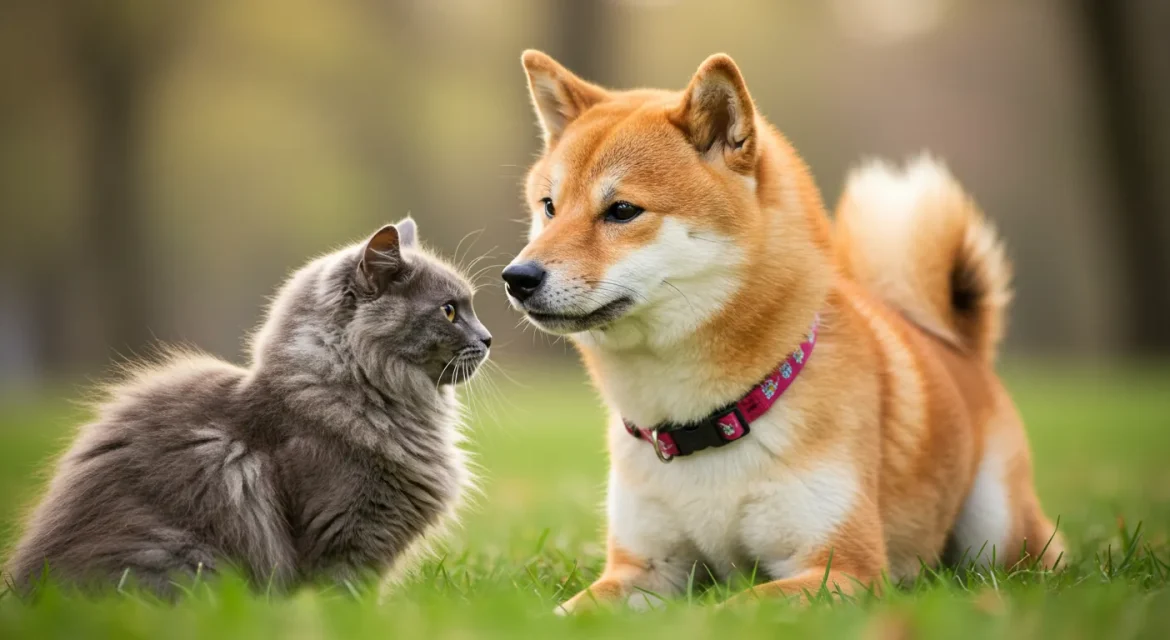
Adding a new pet to your home is exciting, but it can also be nerve-wracking if you already have a furry friend. If you are a cat owner considering a Shiba Inu, you might wonder: “Are Shiba Inu good with cats?” This is a common concern, since Shibas are known for their strong personalities and hunting instincts. While some Shibas can learn to live peacefully with cats, others may struggle due to their natural prey drive.
Understanding Shiba Inu’s breed, their temperament, compatibility, and how you introduce them can make all the difference in creating a harmonious multi-pet household.
Understanding the Shiba Inu Breed
Shiba Inus are a popular dog breed worldwide, renowned for their independent nature, energetic personality, and distinctive fox-like appearance. Originally from Japan, they were bred as small game hunting dogs, a history that shaped their alertness, intelligence, and strong prey instincts. With proper care, Shiba Inus typically live 12 to 15 years, making them loyal companions for well over a decade.
Shibas may be small to medium in size, but they are full of personality; sometimes, they are aggressive, curious, and a little bit stubborn, too. Their love towards playing, exploring, and chasing small animals makes them entertaining friends and a loyal companion. However, due to their independence and energetic nature, consistent training and close supervision are required to keep them happy and well-behaved.
Shiba fascinates families with their intelligence, alertness, playful charm, and manageable size. Maintaining peace in multi-pet families and ensuring that cats and dogs feel comfortable and safe around each other requires an understanding of the Shiba Inu’s temperament, behavior, and early socialization.
Shiba Inu Temperament and Prey Drive Around Cats
A Shiba Inu’s temperament has a big impact on how they behave with cats. Training can be a little difficult for Shibas because they like to be independent, but they also share intelligence, awareness, and confidence. The main factors influencing their behavior with an adult cat or kitten are socialization and early exposure.
Shibas who are around cats frequently learn to respect their limits, pick up on cat behaviors, and even form a loyal friendship. However, Shibas who are introduced to cats later in life may need more time, careful attention, and consistent training to get used to a new environment.
Another key factor to be known while keeping a Shiba Inu around your cat is the Shiba’s natural prey drive. Because they were originally bred as hunting dogs, chasing comes naturally to them. A running cat might spark their instinct to give chase, similar to how they would react to squirrels or chipmunks.
Since prey drive is an instinct in Shiba Inus, the goal is not to eliminate it but to manage it effectively. Structured introductions, consistent rewards for good behavior, and giving your cat safe retreat spaces are key steps. With this approach, even a Shiba that tends to chase small animals can adapt and live peacefully with feline companions.
How to Socialize a Shiba Inu with a Cat?
Socialization of a Shiba Inu Puppy with a Cat
It requires patience, planning, and consistency to introduce a Shiba Inu puppy to a cat. Although puppies are more flexible, proper behavior around smaller animals must be taught to them under close supervision.
- Controlled Introductions: Start by allowing the puppy and kitten to observe each other from a distance using barriers such as baby gates or crates. This helps both animals feel safe while becoming familiar with one another.
- Positive Reinforcement: Reward calm and gentle behavior from your Shiba Inu around the cat. Treats, praise, and petting reinforce that peaceful interactions are desirable.
- Separate Spaces: Provide your cat with a safe retreat/pace where the Shiba Inu cannot access. High perches, cat trees, or quiet rooms allow the cat to feel secure during the adjustment period.
- Gradual Interaction: Slowly increase the time they spend together under supervision. Begin with short sessions and extend them as both pets become more comfortable.
- Observe Body Language: Watch for stress signals from both animals. Cats may hiss, swat, or hide, while Shibas may bark, wag their tail excessively, or become overly excited. Respect these signals to prevent conflicts.
With patience and consistency, many Shibas form loving, playful bonds with feline companions. Early exposure not only improves behavior but also reduces stress for both pets.
Socialization of an Adult Shiba Inu with Cats
It may take longer to introduce an adult Shiba Inu to a cat because older dogs may have established behavior and instincts. However, adult Shibas can adjust to a cat-filled home with ease if the transition is planned and introduced gradually.
- Controlled Meetings: It’s crucial to treat initial interactions of adult dogs with extra care. Their chasing instincts get stronger as they get older. Use leashes or barriers to allow observation and let them get used to each other before any direct contact.
- Reward Calm Behavior: At every level, positive reinforcement is still essential. To help the dog maintain calmness around the cat, reward their gentle behavior. It encourages them to continue their friendly nature.
- Set Rules and Boundaries: Establish areas for your cats where the Shiba Inu cannot access. Give your cat a safe zone, and make them feel safe around Shibas. Over time, supervised freedom can be increased as trust develops.
Calm-tempered adult Shibas often get along well with confident, independent cats. Experienced breeders recommend introducing pets gradually to ensure safety and minimize stress.
Also Read: Are German Shepherds Good With Cats? : Learn how to introduce German Shepherds to feline friends and ensure a harmonious home.
What not to do when introducing a Shiba Inu to a cat?
Introducing a Shiba Inu to a cat is not easy; it requires patience, alertness, and careful planning. Avoiding common mistakes can prevent stress, fear, and potential conflicts, helping both pets adjust safely and peacefully.
Never Force Interaction: Don’t ever push your Shiba Inu and cat to interact. Forcing them together can create fear or aggression in either animal. So, let their relationship develop at a natural pace.
Avoid Unsupervised Meetings: Never leave them alone until you are confident they can safely coexist. Even a calm Shiba may suddenly chase or startle a cat.
Don’t Punish Fearful Behavior: Avoid scolding the cat or dog if they hiss, growl, or retreat. Because it is a response to the fear that comes naturally. Respecting them helps your pets feel safe and understood.
Avoid Ignoring Body Language: Don’t overlook signs of stress like hissing, swatting, stiff posture, barking, or tail wagging. These are your pets’ way of saying they’re uncomfortable, and ignoring these signals can escalate conflicts.
Don’t Skip Safe Spaces: During introductions, always make sure your cat has a safe place to run away to, such as a quiet room, a cozy hiding place, or a high perch, where they can feel safe and secure.
Avoid Rushing the Process: Don’t try to speed up socialization by leaving them together for long periods without being sure they can’t harm each other too soon. Gradual exposure is key to a successful bond.
Signs Your Shiba Inu May Harm Your Cat (or Not)
It is crucial to pay great attention to how a Shiba Inu behaves when they are first introduced to a cat. You can determine if things are going well or whether your cat is in danger by knowing the difference between positive interactions and warning signs.
Positive Signs That Show Harmony
- Relaxed body language in both pets
- Mutual curiosity without fear or aggression
- Comfortably sharing space or calmly observing each other
- Start playing together
Warning Signs to Watch For
- Chasing, pouncing, or intense stalking behavior
- Growling, hissing, or raised hackles (from either pet)
- Constant hiding, stress, or avoidance from your cat
If aggression escalates or you notice repeated negative behavior, it’s best to intervene early and seek guidance from a professional dog trainer or animal behaviorist.
Factors That Influence Compatibility
Several factors can affect whether your Shiba and cat will coexist peacefully:
- Age: Raising a kitten and a Shiba puppy together increases the chances of success.
- Previous exposure: A Shiba who has lived around cats before is usually easier to manage.
- Energy levels: A hyper Shiba may overwhelm a shy cat, while a calm Shiba pairs better with a confident cat.
- Territorial behavior: Some Shibas may guard food, toys, or sleeping spots.
Do Shiba Inus Really Get Along With Cats?
The short answer is yes, many Shibas can coexist peacefully with cats. Successful integration depends on:
- Early socialization and exposure to cats
- Respect for feline boundaries and safe spaces
- Consistent training and reinforcement of positive behavior
- Understanding the Shiba Inu’s temperament and instincts
Many owners report that Shibas and cats can develop affectionate bonds, engaging in playful interactions and even resting together. Shibas are like loyal companions to cats in many households, proving that hunting instincts do not always hinder their ability to live harmoniously with other pets.
Final Thoughts: Can Shiba Inus and Cats Live in Harmony?
Shiba Inus and cats can get along beautifully, but it takes patience, careful introductions, and respect for the personality of each pet. Some Shiba Inus may adapt to live harmoniously with their fellow furry companions quickly, while others need weeks or months to adjust, and that’s perfectly normal.
The key is to give your cat safe spaces, allow your Shiba to observe calmly, and reward positive behavior from both. Over time, you may witness the sweetest moments, sunlit naps together, playful chases, or quiet companionship that proves instincts don’t always rule.
With consistent guidance, understanding, and a little patience, your Shiba and cat can form a bond that’s playful, affectionate, and deeply heartwarming, making every effort completely worth it.