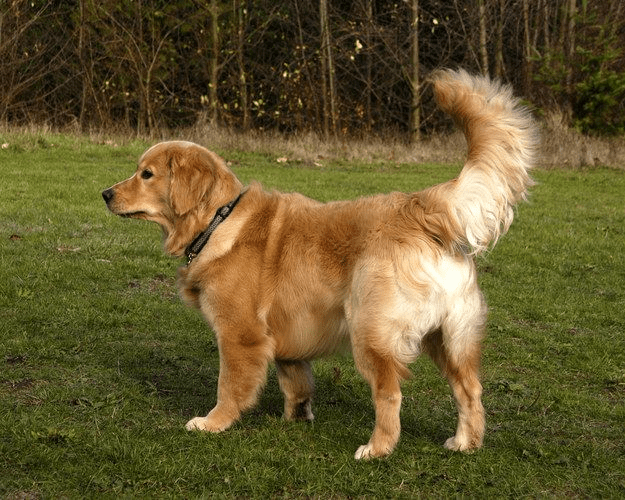
Ever wondered what your dog’s wagging tail really means?
Dogs may not use words, but their tails speak volumes. From a high-energy whip to a slow, uncertain flick, each movement holds a message. Whether they’re thrilled to see you, curious about a new sound, or feeling a little nervous, your dog’s tail is their way of expressing emotion and intention.
In this blog, we’ll unravel the hidden meanings behind the most common dog tail positions and wag patterns. So the next time your furry friend wags, tucks, or holds that tail just so you’ll know exactly what they’re trying to tell you.
Understanding tail talk doesn’t just help you avoid miscommunication, it deepens your connection and lets you respond to your dog’s needs like the loving, attentive companion they know and love.
Common Dog Tail Meanings and What They Say
Now that you know your dog’s tail is like an emotional antenna, let’s dive into the specific signals they send. Tail language isn’t just about wagging it’s about the position, speed, and direction of that wag. These subtle variations can reveal if your pup is overjoyed, anxious, curious, or even feeling protective.
Below are the most common dog tail positions and movements, and what each one really means. Pay close attention your dog might have been trying to tell you something all along!
1. Tail Held High & Wagging Fast
When your dog holds their tail high and wags it quickly, it’s usually a sign of high energy, excitement, or alertness. They might have spotted something interesting, heard a new sound, or are just thrilled to see you. This posture can also signal confidence or assertiveness, especially in dominant dogs.
2. Tail Wagging Low & Slow – Calm and Friendly
A low, slow wag is your dog’s way of saying, “All is good – I come in peace!” This type of tail movement usually reflects a relaxed, friendly attitude. It’s commonly seen when your pup approaches you or another dog in a non-threatening, gentle manner.
3. Tail Tucked Between Legs
When your dog tucks their tail tightly between their legs, it’s a clear sign of fear, anxiety, or submission. This posture is a natural response to stress or intimidation, often seen in situations where your pup feels overwhelmed, uncertain, or threatened. It’s their way of saying, “I don’t want any trouble.”
4. Tail Held Straight Out
When your dog holds their tail straight out horizontally, it usually means they’re alert, curious, or deep in concentration. This neutral tail position often appears when your pup is investigating something new like a strange sound, unfamiliar scent, or a moving object in the distance.
5. Tail Wagging To The Right
Believe it or not, dogs have a “tail bias” and when that wag leans more to the right, it usually signals happiness, comfort, or affection. Research shows that dogs tend to wag their tails to the right side when they encounter people, pets, or situations they feel positively about.
6. Tail Wagging To The Left
While a wagging tail often seems cheerful, a wag that leans more to the left side can actually signal nervousness, caution, or emotional conflict. Studies have found that dogs tend to wag left when facing unfamiliar people, strange dogs, or stressful situations.
How Tails Talk in Social Situations
Meeting people
When your dog meets people whether it’s a familiar friend or a curious stranger their tail reveals everything. A fast wag paired with a bouncing butt? That’s pure joy and eagerness to engage. But a low, slow wag shows cautious interest, like they’re testing the vibe. And if the tail tucks tightly under their body? That’s a sign your dog feels overwhelmed, anxious, or threatened.
Meeting Other Dogs
Dog-to-dog interactions are full of silent signals, and the tail is one of the most honest. A loose wag and soft body posture say, “I’m friendly, let’s sniff!” But a high, stiff wag can mean your dog is confident, dominant, or potentially ready to assert themselves. If the tail sticks straight out and moves slowly, they’re sizing the other dog up.
At Home
At home, your dog’s tail often tells you more than their bark. A helicopter wag that joyful full-circle spin means they’re over-the-moon happy, usually when you walk through the door or open the treat jar. But if their tail is still or shows no wag at all, it could mean your pup is feeling off: maybe tired, bored, or even unwell.
At the Vet
At the vet, your dog’s tail usually screams one thing: stress. A tightly tucked tail under their belly is a clear sign they’re scared or anxious. The unfamiliar smells, poking, and strangers can be overwhelming. If their tail stops moving entirely and stays still, it may mean they’re shutting down emotionally or even experiencing physical pain.
Warning Signs: When Tail Talk Means Trouble
Limp Tail Syndrome
Has your dog suddenly stopped wagging and their tail is just… hanging there, limp and lifeless? That could be Limp Tail Syndrome, also known as “cold tail” or “swimmer’s tail.” It often happens after a day of intense play, swimming in cold water, or even long crate rest.
Chewing or Licking the Tail
If your dog is constantly chewing, licking, or nibbling at their tail like it’s a chew toy, don’t ignore it. This behavior can signal allergies, skin infections, parasites, or even anxiety. Sometimes it’s physical like fleas or irritation and other times it’s emotional, a coping mechanism for stress or boredom. Repetitive tail chewing can lead to hot spots, hair loss, and even wounds.
Sudden Stillness
A still tail is often the loudest warning. If your pup usually wags at the drop of a treat and suddenly their tail won’t budge, it could mean something’s wrong. Tail stillness can signal pain, illness, fear, or emotional shutdown. It’s especially worrying if your dog seems lethargic, avoids movement, or isolates themselves.
Debunking Myths About a Dog’s Tail
When it comes to understanding our furry companions, few things are as expressive as a dog’s tail. It’s constantly moving, twitching, wagging and we often think we know exactly what it means. But here’s the truth: a dog’s tail language is more complex than most people realize.
Let’s break down some of the most common myths and misunderstandings surrounding a dog’s tail, and what it might actually be trying to say:-
Myth: A Wagging Tail Means a Happy Dog
This is one of the most common misconceptions about dog behavior and also one of the most misleading. While a wagging tail can indicate excitement or friendliness, it doesn’t always mean the dog is happy. In fact, dogs may also wag their tails when they’re feeling anxious, nervous, or even aggressive, depending on the situation.
Truth: Not all wagging is joyful
While a loose, sweeping wag often does mean your dog is excited or happy, not all tail wagging signals friendliness. A stiff wag, especially if the tail is raised high or paired with tense body language, can indicate stress, aggression, or high arousal.
Myth: All Dogs Wag Their Tails the Same Way
Dogs are as unique as humans and so are their tails. Different breeds have different natural tail positions and movement styles, which can affect how their emotions are expressed. For example, a Greyhound may carry its tail low even when relaxed, while a Spitz breed might have a curled tail that sits high.
Truth: Breed and anatomy matter
Some breeds, like Huskies, have naturally curled tails that sit high, while breeds like Greyhounds often carry their tails low, even when content. A low tail on one dog might mean relaxation, while on another it could suggest submission or anxiety.
Myth: A Tucked Tail Means the Dog Feels Guilty
When a dog tucks its tail between its legs, it’s a clear sign that it knows it did something wrong. Many people believe this posture means the dog feels ashamed or guilty about its behavior, like chewing up shoes or making a mess. It’s often taken as a silent confession, a dog’s way of admitting fault without words.
Truth: It’s fear, not guilt.
A tail tucked between the legs is a classic sign of fear, anxiety, or submission not guilt. Dogs don’t feel guilt in the human sense; they react to our tone, facial expressions, and energy. What you’re seeing is a nervous response to your reaction, not an admission of wrongdoing.
Myth: The Direction of the Wag Doesn’t Matter
Most people pay attention to how fast or how big a dog’s tail wag is, but rarely consider the direction it’s moving. It’s commonly believed that as long as a tail is wagging, it’s a good sign, no matter which way it swings. The direction is often seen as random or meaningless, with more focus placed on the energy or excitement behind the movement
Truth: Direction reflects emotion
Believe it or not, the direction in which your dog wags its tail can reveal how they’re feeling emotionally. Studies have shown that when a dog wags its tail more toward the right side, it’s often a sign of positive feelings like happiness, excitement, or affection. This usually happens when they see someone they like, such as their owner or a friendly face.
Myth : Dogs Can’t Communicate Without Their Tails
Many people believe that without a tail, a dog loses its ability to express emotions or communicate properly. This myth is especially common among those unfamiliar with tail-docked breeds or dogs born without tails. It’s often assumed that the tail is a dog’s primary way of showing feelings like happiness, fear, or excitement. Because of this, tailless dogs are sometimes thought to be harder to understand or more emotionally distant.
Truth : Dogs are masters of body
While a dog’s tail is a powerful communication tool, it’s just one part of a much larger emotional vocabulary. Dogs express themselves through their entire body, and learning to read those subtle signals can help you truly understand what they’re feeling. Their ears might perk up when they’re curious or alert, or flatten back when they’re scared or submissive. Their eyes can appear wide and intense during excitement or fear, or soft and relaxed when they feel safe and calm.
Conclusion
A dog’s tail is a powerful communication tool, revealing much more than excitement. Its position, movement, and even wag direction can show emotions like happiness, anxiety, curiosity, or fear. However, these signals should always be read in context along with body posture, ears, eyes, and environment.
Many people assume all wagging tails mean a happy dog, but that’s a common misconception. Every dog has its own unique way of expressing emotions, shaped by breed, personality, and experience. Understanding your dog’s specific body language builds a deeper emotional bond and allows you to respond with care and confidence.
Even dogs with docked or naturally short tails can still communicate clearly through other behaviors. By observing closely and listening to what your pup’s tail is truly saying, you’ll strengthen your relationship and better meet their emotional needs all without a single bark. Tail talk is real, and it’s worth learning.