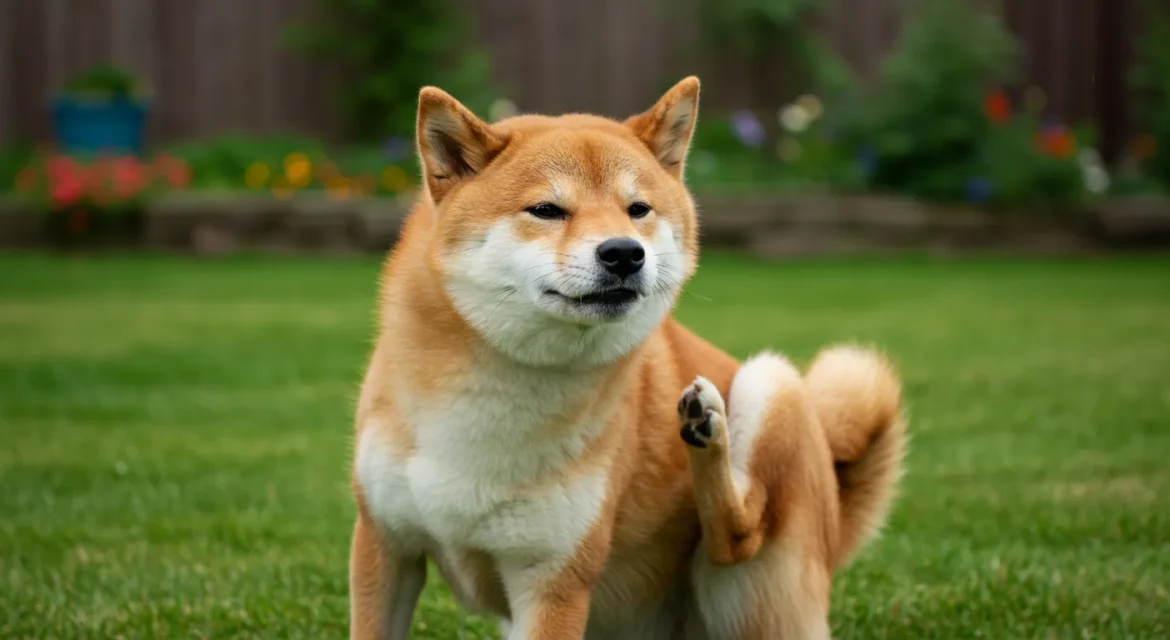
Is your Shiba Inu constantly scratching, licking, or sneezing, leaving you worried about their comfort and health?
You’re not alone. Studies show that up to 20% of dogs suffer from skin allergies, making it one of the most common health issues in pets. Shiba Inus, with their sensitive skin and active nature, are particularly prone to allergic reactions that can range from mild irritation to more serious conditions.
While some owners consider switching to a hypoallergenic dog breed to avoid these issues, recognizing the signs early and understanding the types of allergies your Shiba may face is crucial for their well-being. In this guide, we’ll explore the causes, symptoms, and treatments for Shiba Inu allergies to help your furry friend live a happy, itch-free life.
How can you identify your Shiba Inu’s food allergies?
- Watch for skin reactions such as itching, redness, or rashes, especially around the paws, face, and ears.
- Monitor digestive issues like vomiting, diarrhea, or excessive gas after meals.
- Notice changes in coat quality, including dullness, hair loss, or frequent shedding.
- Observe behavioral changes, such as restlessness, irritability, or excessive licking/chewing.
- Track the timing of symptoms relative to specific foods to identify potential triggers.
- Consult your veterinarian for guidance on elimination diets or allergy testing.
- Introduce one new food at a time during trials to pinpoint the allergen accurately.
- Keep a food diary to document reactions and support your vet’s recommendations.
- Consider hypoallergenic dog foods specially formulated to minimize allergic reactions.
- Maintain consistency in diet until symptoms improve, then gradually reintroduce ingredients under supervision.
Types of Allergies in Shiba Inus
Shiba Inus, like many dog breeds, are prone to various allergies that can impact their skin, digestion, and overall health. Allergies occur when the immune system overreacts to certain substances, whether in food, the environment, or parasites. Identifying the type of allergy early is key to managing symptoms and improving your Shiba Inu’s quality of life. Below are 12 common allergies in Shiba Inus.
1. Food Allergies
Food allergies and sensitivities in Shiba Inus happen when their immune system reacts negatively to specific proteins or ingredients in their diet, such as beef, chicken, dairy, wheat, or soy. These reactions can occur immediately or after repeated exposure over time, leading to chronic inflammation.
Common symptoms include chronic itching, particularly on the face, paws, and belly, vomiting, diarrhea, red inflamed skin, and frequent ear infections. Managing food allergies usually involves switching to a hypoallergenic or limited-ingredient diet, conducting elimination trials to pinpoint the trigger, and sometimes using antihistamines or corticosteroids during flare-ups. With proper dietary adjustments, most Shiba Inus show significant improvement in both skin and digestive health.
Also Read: Are Shiba Inu Hypoallergenic? What Allergy Sufferers Need to Know
2. Environmental Allergies (Atopy)
Environmental allergies, or atopy, develop when Shiba Inus react to airborne allergens such as pollen, mold, dust mites, or grass. These allergies can be seasonal, like during spring pollen season, or persistent year-round. Symptoms often include sneezing, coughing, watery and itchy eyes, inflamed skin on the paws, face, or belly, and excessive licking or scratching that can lead to ear infections.
Treatment typically involves reducing exposure through air purifiers, frequent grooming and bathing, and medication such as antihistamines, corticosteroids, or immunotherapy injections for long-term relief. Maintaining a clean and allergen-free environment is crucial to minimizing flare-ups.
3. Flea Allergy Dermatitis
Flea allergy dermatitis occurs when a Shiba Inu’s immune system overreacts to flea saliva, making even a single flea bite intensely uncomfortable. Shibas with this allergy often experience constant scratching, biting, or licking, resulting in hair loss, scabs, and irritation, particularly around the base of the tail.
Secondary bacterial infections can develop if the skin becomes broken or inflamed. Treatment focuses on rigorous flea control, including monthly topical or oral flea preventatives, flea-comb grooming, and sometimes antihistamines or corticosteroids to reduce inflammation. Early intervention can prevent chronic skin damage and restore your dog’s comfort.
4. Contact Allergies
Contact allergies in Shiba Inus arise when their skin reacts to direct contact with irritants such as certain cleaning products, shampoos, plastics, or fabrics. The reaction triggers localized inflammation, redness, and itching, often confined to areas that touch the allergen, such as paws, belly, or chest.
Symptoms include redness, small bumps or hives, hair loss, and persistent scratching or licking at the affected area. Treatment includes identifying and removing the triggering substance, soothing the skin with medicated baths or topical ointments, and in severe cases, administering antihistamines or corticosteroids. Protective clothing or barrier sprays can also help prevent future reactions.
5. Pollen Allergies
Pollen allergies, common in outdoor-loving Shiba Inus, occur when their immune system identifies harmless pollen grains as threats. This results in symptoms such as sneezing, watery eyes, itchy skin, and excessive scratching, particularly in spring or summer. Some Shibas may also develop secondary skin infections from persistent itching.
Treatment focuses on minimizing pollen exposure, regular bathing to remove pollen particles, air filtration indoors, and medications like antihistamines or corticosteroids to control flare-ups. Preventive care during high-pollen seasons ensures your Shiba remains comfortable.
6. Dust Mite Allergies
Dust mite allergies develop when Shiba Inus react to tiny creatures living in household dust. The allergens cause chronic itching, sneezing, runny eyes, and sometimes respiratory issues. Common signs include paw licking, ear inflammation, and hot spots where the dog scratches excessively.
Treatments involve maintaining a clean, dust-free home through vacuuming, washing bedding frequently, using allergen-proof covers, and administering antihistamines or anti-inflammatory medications. Reducing indoor dust is critical to preventing recurring symptoms.
7. Mold Allergies
Mold allergies occur when Shiba Inus inhale or come into contact with mold spores in damp or humid areas. This exposure can lead to sneezing, coughing, itchy eyes, skin irritation, and sometimes digestive upset. Frequent symptoms include paw chewing, ear infections, and redness on exposed skin areas.
Treatment requires eliminating mold sources, improving ventilation, cleaning affected areas, and using medications like antihistamines or corticosteroids to manage reactions. Preventing dampness and regular home maintenance help reduce recurrence.
8. Insect Bite Allergies
Apart from fleas, Shiba Inus can react to other insect bites, such as mosquitoes, bees, or ants. The venom or saliva from these insects triggers localized swelling, redness, itching, and pain. Symptoms may include hives, paw licking, and in severe cases, anaphylactic reactions like swelling of the face or difficulty breathing.
Treatment involves removing the source of bites, cleaning the affected area, applying soothing topical medications, and administering antihistamines or epinephrine for severe reactions. Protective clothing and insect repellents can reduce the risk of future bites.
9. Drug Allergies
Some Shiba Inus may develop allergic reactions to medications such as antibiotics, vaccines, or painkillers. The immune system reacts abnormally to the drug, resulting in rashes, itching, vomiting, or swelling. Symptoms can range from mild skin irritation to severe reactions like hives or breathing difficulties.
Treatment involves discontinuing the offending medication under veterinary supervision, providing supportive care with antihistamines or corticosteroids, and using alternative drugs if necessary. Monitoring your dog closely after introducing new medications is essential.
10. Food Additive and Preservative Allergies
Additives and preservatives in commercial dog foods, such as artificial colors, flavors, or chemical preservatives, can trigger allergies in Shiba Inus. These often manifest as digestive issues, itchy skin, and chronic ear infections. Symptoms include vomiting, diarrhea, redness or rashes, and paw licking.
Treatment requires switching to natural, additive-free diets, using hypoallergenic dog foods, and providing supportive medications to ease symptoms. Careful selection of food ingredients helps prevent recurrence and improves overall health.
11. Seasonal Allergies
Seasonal allergies occur when Shiba Inus react to specific environmental triggers present only at certain times of the year, like pollen in spring or mold in autumn. These allergies cause symptoms such as sneezing, itchy eyes, licking, and red or inflamed skin. Treatment includes limiting exposure to seasonal allergens, frequent grooming, using air purifiers, and administering medications like antihistamines or corticosteroids. Preventive measures during high-risk seasons can significantly reduce discomfort.
12. Contact Irritants from Grooming Products
Some Shiba Inus react to grooming products such as shampoos, conditioners, or sprays containing harsh chemicals or fragrances. This leads to itchy, red, or flaky skin, often localized to areas that come in direct contact with the product. Treatment involves switching to hypoallergenic or natural grooming products, rinsing thoroughly, and using soothing topical treatments to calm irritation. Avoiding harsh chemicals during grooming prevents long-term skin sensitivity.
Read More: 10 Common Dog Grooming Mistakes to Avoid
What are the leading ways to treat Shiba Inu allergies?
- Switch to a hypoallergenic diet to reduce food-related allergic reactions.
- Use medicated shampoos and topical treatments for skin irritations and itching.
- Administer antihistamines or prescription medications as recommended by your veterinarian.
- Maintain regular grooming to keep skin and coat healthy.
- Keep the living environment clean, minimizing exposure to dust, pollen, and other allergens.
- Reduce contact with known irritants, such as certain cleaning products or fabrics.
- Consider immunotherapy or allergy shots for severe or persistent allergies.
- Monitor symptoms closely for early detection and timely intervention.
- Provide supplements like omega-3 fatty acids to support skin health.
- Schedule regular vet check-ups to adjust treatment plans as needed.
Conclusion
Shiba Inu allergies can be challenging, but with early detection, proper care, and the right treatment, your furry friend can live a healthy, comfortable, and itch-free life. By monitoring symptoms, maintaining a clean environment, providing hypoallergenic diets when needed, and working closely with your veterinarian, you can manage food, environmental, and contact allergies effectively. Regular grooming, preventive care, and timely interventions are key to keeping your Shiba Inu happy, healthy, and full of energy.