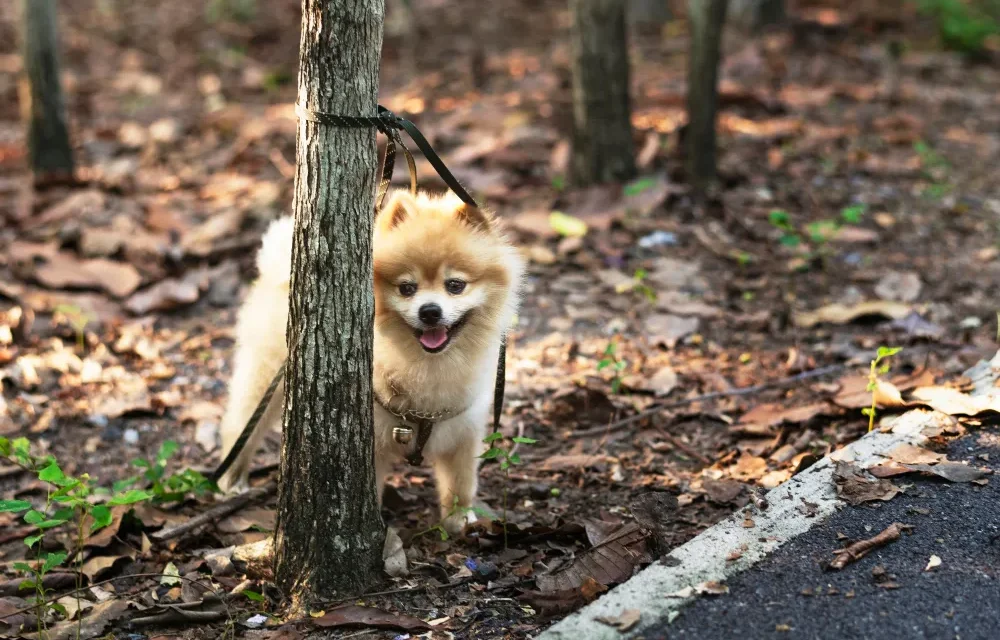
The Shiba Inu, with its fox-like features, curled tail, and sassy expression, has captivated the world—partly thanks to their internet fame. But beyond the memes and adorable photos, the Shiba Inu is an ancient breed with a strong, complex, and utterly unique temperament.
But beyond their adorable looks lies a personality that’s equally fascinating. Shiba Inus are not your typical lapdog, they are spirited, intelligent, and independent, with a temperament that can both delight and challenge families.
Before you bring this spirited dog into your home, you must answer one question: Do you truly understand the Shiba spirit?
A Glimpse Into the Shiba Inu Personality Trait
Shiba Inus are ancient Japanese dogs originally bred for hunting small game in mountainous regions. Their temperament reflects this history, they are alert, resourceful, and self-reliant. While they are friendly and affectionate with their family, Shibas often prefer to do things their way.
To understand the Shiba Inu, you must first accept their defining contradictions.
1. Fiercely Loyal… But Highly Independent
Shibas form an intense bond with their chosen people. They are deeply devoted and will follow you from room to room, but usually to an area near you, not necessarily on you.
Affection on Their Terms: They are often described as “cat-like” because they are clean, meticulous groomers, and their affection is given on a schedule dictated by them. If you want a dog that lives for constant cuddling and praise, the Shiba will leave you questioning if they even like you (They do, they’re just too cool to show it).
The Best Watchdogs: They are highly alert and protective of their family and territory, making them excellent watchdogs. They are not excessive barkers, but they are known for the legendary “Shiba Scream”, a high-pitched, startling vocalization reserved for moments of extreme distress, excitement, or displeasure (like baths or vet visits).
2. Highly Intelligent… But Extremely Stubborn Nature
A Shiba can learn a command in three repetitions, but they may only obey it in one out of five attempts.
“What’s In It For Me?”: Their intelligence is married to a independent and strong-will. They understand commands perfectly, but they often choose not to comply unless they see a compelling reason or reward. This is why a Shiba is best suited for experienced dog owners who can maintain firm, consistent, and positive leadership.
The Escape Artist: Their hunting instincts and independent streak make them notorious escape artists. They should never be trusted off-leash in an unenclosed area. Their desire to chase a squirrel or explore a scent will always override their recall training. A secure fence (and often a tie-out) is non-negotiable.
3. Playful and Energetic… But Selectively Social
Shibas are bundles of energy who love to run, play, and explore. However, their social behavior is selective.
Independent Playtime: Unlike dogs that constantly seek attention, Shibas are content entertaining themselves with toys or a game of fetch, but only when it suits their mood.
Cautious Around Strangers: They are not immediately outgoing with new people. A Shiba will assess strangers carefully before deciding whether they are friend or foe. This makes early socialization crucial for confident behavior.
Adventure-Ready: Shibas thrive in families that enjoy outdoor activities like hiking, running, or agility training. Their stamina and curiosity make them the ultimate adventure companions.
4. Clean and Meticulous… But Shedding Machines
Shibas are famously “cat-like” in their grooming habits, but their coats require attention:
Self-Groomers: They spend a lot of time cleaning themselves, so daily brushing is often minimal compared to other breeds.
Double Coat: Shibas have a dense undercoat and stiff outer coat that sheds heavily twice a year. During these periods, frequent brushing is necessary to keep hair under control.
Tidy Habits: They rarely soil the house and often avoid puddles, mud, or messy areas, making them relatively low-maintenance indoors.
5. Confident and Bold… But Easily Bored
Shibas are fearless dogs with a bold personality, but their intelligence means they need constant mental and physical stimulation:
Curious Explorers: Their inquisitive nature can lead them to investigate anything new in their environment.
Mental Stimulation Required: Without proper engagement, they may become bored and develop destructive behaviors such as chewing furniture or digging.
Confidence With Responsibility: A confident Shiba is a joy to own, but without clear leadership and boundaries, their boldness can turn into mischief.
6. Vocal and Expressive… But Emotionally Reserved
Shibas communicate in unique ways that can surprise first-time owners:
Shiba Scream: This iconic high-pitched scream can occur when they are upset, scared, or excited. It is not aggression, it’s pure emotional expression.
Subtle Cues: Often, their emotions are communicated through body language rather than barking. A tucked tail, raised hackles, or a sideways glance can say more than words.
Emotional Independence: While affectionate with family, they may not show emotion outwardly to strangers, giving them an air of aloof elegance.
7. Sensitive and Observant… But Emotionally Strong
Shibas are highly aware of their surroundings and the moods of their humans:
Empathetic Companions: They can sense when a family member is upset or stressed and may offer quiet companionship.
Sensitive to Tone: Harsh commands or inconsistent training can cause stress or confusion, so patience and positivity are key.
Resilient Nature: Despite sensitivity, Shibas are remarkably resilient dogs. They recover quickly from stress and adapt to new environments when handled correctly.
Living With a Shiba Inu: What to Expect
Life with a Shiba Inu is dynamic and exciting. They are not lazy lapdogs, but their playful energy and intelligence make them stimulating companions.
- Exercise Needs: At least an hour of active play or walks daily is recommended.
- Mental Engagement: Training, toys, and exploration prevent boredom.
- Grooming Routine: Minimal daily brushing is needed, with extra attention during shedding season.
- Social Interaction: Early exposure to people, pets, and new environments encourages well-rounded behavior.
Families that enjoy outdoor activities, structured play, and interactive engagement often find Shibas to be the perfect fit.
Also Read: How Do I Train My Dog to Walk on a Leash?
Shiba Inus and Children
Shibas can be excellent family companions, but their interaction with children requires understanding and proper guidance. While they are affectionate with their loved ones, Shibas value personal space and may not tolerate rough handling or constant attention.
- Gentle Yet Alert: Shibas are naturally observant and protective, making them aware of sudden movements or overly boisterous behavior. They enjoy affection but need boundaries to feel comfortable. Encouraging calm interactions ensures a positive experience for both the dog and the child.
- Teach Respect: Children should be taught how to approach a Shiba calmly, avoid pulling ears or tails, and allow the dog to come to them. Respecting the Shiba’s independence fosters trust and strengthens the bond.
- Supervised Interaction: With very young children, supervision is essential. Even a well-behaved Shiba may react unpredictably if startled or overwhelmed. Older children, on the other hand, who understand the dog’s cues and limits, often develop deep, rewarding connections with their Shiba.
Are Shiba Inu Aggressive Towards Humans? Read Signs to Watch For and How to Manage Them
Shiba Inus and Other Pets
Shibas’ hunting background gives them a strong prey drive, which can affect how they interact with other animals in the household. Introducing them carefully is key to harmonious coexistence.
- Other Dogs: Shibas can form healthy and friendly relationships with other dogs, especially if socialized from a young age. Positive, controlled interactions help reduce territorial tendencies and encourage companionship.
- Small Animals: Caution is needed around cats, rabbits, birds, or other small pets. Their instinct to chase may be triggered by movement or scent, so gradual, supervised introductions are critical.
- Supervised Introductions: Step-by-step exposure and controlled interactions help the Shiba learn appropriate behavior. Over time, with patience and guidance, most Shibas can coexist peacefully with other animals, although they will always retain their natural curiosity and alertness.
Are Shiba Inu Good With Cats? Click to read how Shiba Inu get along with cats or other animals.
Pros and Cons of Owning a Shiba Inu
Before deciding to bring a Shiba Inu into your home, it’s important to weigh both the advantages and challenges of this remarkable breed.
Pros:
- Loyal Companions: Once a bond is formed, Shibas are devoted and protective.
- Intelligent and Alert: Quick learners and naturally aware, they make excellent watchdogs.
- Energetic and Playful: They thrive on exercise and adventure, making them ideal for active families.
- Clean and Low-Maintenance: Self-grooming habits and a tidy nature make them relatively easy to care for indoors.
- Compact Size: Suitable for apartments or homes with moderate space.
Cons:
- Independent and Stubborn: Training can be challenging without patience and consistency.
- High Energy Requirements: They need regular exercise and mental stimulation to prevent boredom or destructive behavior.
- Prey Drive: Small pets may be at risk if introductions are not managed carefully.
- Aloof With Strangers: Shibas are not always outgoing and may require time to warm up to new people.
You may laso like: Common Shiba Inu Health Issues and How to Manage Them
Is a Shiba Inu Right for Your Family?
Shiba dog breeds are not for everyone, but for the right family, they can be a rewarding companion. Consider these points:
- Active Lifestyle: Shibas are best suited to families who enjoy outdoor activities, hikes, or games that allow them to expend their energy.
- Experienced Owners: Their independent and stubborn nature makes them ideal for people who understand canine behavior and can provide consistent training.
- Families With Older Children: Shibas bond strongly with children who respect their space and understand their body language.
- Commitment to Socialization and Training: Early exposure to other pets, people, and experiences ensures a confident and well-rounded adult dog.
If your family can provide structure, engagement, and respect for their unique personality, a Shiba Inu can become a cherished and entertaining member of your household.
Tips for a Happy Shiba Inu Household
To make life with a Shiba Inu enjoyable for both the dog and your family, follow these practical tips:
- Provide Daily Exercise: Shibas require at least an hour of physical activity each day to burn energy and stay healthy.
- Mental Stimulation: Use puzzle toys, training games, and interactive play to keep their mind sharp.
- Respect Independence: Allow them personal space and let them come to you for affection on their terms.
- Socialize Early: Introduce them to new people, pets, and environments as puppies for confident adult behavior.
- Secure Your Yard: Their curiosity and agility make secure fencing essential to prevent escapes.
- Positive Reinforcement: Training with rewards and consistency is far more effective than harsh discipline.