As a dog owner, nothing is more worrying than noticing your furry friend struggling with bad breath, sore gums, or signs of diseased teeth, and yet, many pet parents aren’t sure how often their dog needs dental care or what the dog teeth cleaning cost actually includes.
Dental problems don’t just affect your dog’s mouth, they can lead to infections, pain, and long-term health issues if left untreated. Understanding when to clean your dog’s teeth and what goes into the cost can help you protect their health, prevent expensive treatments later, and keep their tail wagging for years to come.
Why Dental Cleaning is Important for Dogs?
Dogs, just like humans, are prone to plaque and tartar buildup, which can result in periodontal disease if not treated. Regular dental cleanings:
- Remove plaque and tartar that brushing alone can’t reach
- Prevent bad breath and oral infections
- Detect early signs of dental issues before they become severe
- Contribute to your dog’s overall well-being and longevity
Professional cleaning is often done under anesthesia to ensure a thorough and safe procedure, which is a factor that affects the cost.
Read more: Understanding Dog Dental Anatomy: A Complete Guide for Pet Owners
Factors That Affect the Cost of Dental Cleaning for Dogs
The cost of dental cleaning for dogs can vary widely, and understanding what influences the price helps pet owners plan better. Several key factors play a role:
1. Size, Breed, and Dog Weight
The size of your dog, and more specifically, their dog weight, can significantly impact the overall cost. Larger dogs usually need more anesthesia and longer cleaning time, which increases the price. Meanwhile, smaller breeds may have fewer teeth, but many toy breeds are prone to dental crowding and gum disease, requiring extra care during cleaning.
2. Type of Dental Procedure Needed
A simple, routine dental cleaning is the most affordable option. However, if your dog requires additional procedures such as tooth extraction, gum disease treatment, dental X-rays, or deep periodontal cleaning, the cost can increase quickly. Advanced dental work often requires more time, equipment, and medication.
3. Geographic Location
Where you live matters. Veterinary care in metropolitan or high-cost areas generally comes with higher fees compared to rural or suburban regions. Clinics in cities often have more advanced equipment, which can also influence the pricing.
4. Your Dog’s Overall Health Condition
If your dog has underlying health conditions, such as heart issues, diabetes, or kidney concerns, your vet may recommend extra pre-anesthetic blood work, advanced monitoring, or specialized care during the procedure. All of these factors can add to the final cost.
5. Age of Your Dog
Older dogs often require more extensive testing before undergoing anesthesia to ensure their safety. Senior pets may also have more severe tartar buildup or dental disease, resulting in longer procedures and higher costs.
6. Veterinary Clinic Expertise and Equipment
The level of experience your veterinarian has, along with the quality of equipment the clinic uses, can also influence the price. Clinics with advanced dental technology, digital X-rays, and specialized veterinary dentists may charge more but often deliver more thorough and comfortable care for your dog.
Average Cost of Dog Dental Cleaning
On average, dental cleaning for dogs in the United States ranges between $300 and $700 for a routine procedure. Here’s a breakdown of typical costs:
- Small dogs (up to 20 lbs): $200–$400
- Medium dogs (20–50 lbs): $300–$500
- Large dogs (50+ lbs): $400–$700
- Additional procedures (extractions, X-rays, medications): $50–$500+
Keep in mind that prices may vary depending on your location and your veterinarian’s experience.
Additional Costs to Consider
Beyond the cleaning itself, there may be extra expenses such as:
- Pre-anesthetic blood work: $50–$150
- Pain management or antibiotics: $20–$100
- Follow-up visits: $50–$100
What’s Included in the Cost of a Dog Teeth Cleaning?
When you pay for a professional dog teeth cleaning, you’re not just covering the basic cleaning itself. The cost usually includes several steps and essential services that ensure your dog’s safety, comfort, and dental health. Here’s a breakdown of what’s typically included:
1. Pre-Examination and Consultation
Before the procedure, your veterinarian will examine your dog’s mouth, teeth, and gums to assess their dental health. This helps them determine the level of cleaning needed and whether additional treatments may be required.
2. Pre-Anesthetic Blood Work
Most clinics perform blood tests to ensure your dog is healthy enough for anesthesia. This helps detect any underlying issues that could affect the procedure, such as kidney, liver, or heart problems.
3. General Anesthesia
Professional dental cleanings are done under anesthesia so your dog stays still and comfortable while the vet can thoroughly examine and clean every tooth. The cost of anesthesia—including monitoring equipment, medications, and trained staff—is included in the price.
4. Full Mouth Examination Under Anesthesia
Once your dog is sedated, the vet will closely examine all teeth, gums, and oral tissues to check for signs of gum disease, cracked teeth, oral tumors, or infections that may not be visible during a routine check-up.
5. Scaling and Polishing
This is the core part of the service.
- Scaling removes plaque and hardened tartar from the surfaces of the teeth, both above and below the gum line.
- Polishing smooths the teeth to prevent future plaque buildup and leave the mouth clean and fresh.
6. Dental Charting
The vet or dental technician will create a dental chart documenting the condition of each tooth, noting any abnormalities, loose teeth, or periodontal pockets. This helps track your dog’s oral health over time.
7. Fluoride Treatment or Sealants (Optional in Some Clinics)
Some veterinary dentists apply fluoride or protective sealants to strengthen tooth enamel and slow down tartar accumulation.
8. Post-Cleaning Rinse and Oral Care
A final rinse helps remove debris and leaves your dog’s mouth clean. Some vets may also apply antimicrobial solutions to reduce bacteria and support gum healing.
9. Post-Procedure Monitoring\
What’s Not Included in the Cost of a Dog Teeth Cleaning?
After the cleaning, your dog will be carefully monitored as they wake up from anesthesia. Vets check their breathing, heart rate, and temperature to ensure a smooth recovery.
It’s always a good idea to ask your veterinarian for a clear breakdown of what your dog’s dental cleaning will include, and what it won’t. Every clinic structures its pricing differently, so getting clarity upfront helps you avoid surprises later.
Before the procedure, most vets run a blood test to ensure your dog is healthy enough for anesthesia. This pre-anesthetic screening checks for hidden conditions affecting organs like the liver, kidneys, or heart. Costs for this test can vary: a simple panel for a young, healthy dog might start around $75, while more extensive testing for senior dogs or those with medical issues can reach $200 or more. Depending on the clinic, these tests may be included in the dental package or listed as an additional fee.
Dental coverage can also differ from one hospital to another. Some clinics offer basic dental plans that only cover the essential cleaning and anesthesia. Any add-ons, such as extractions, dental X-rays, antibiotics, or pain relief, are charged separately.
On the other hand, some veterinary hospitals provide an all-inclusive rate. This bundled price may cover everything from the cleaning and anesthesia to dental X-rays and even tooth extractions if they’re needed.
How Often Should You Clean Your Dog’s Teeth?
Keeping your dog’s teeth clean isn’t just about fresh breath, it’s an essential part of maintaining their overall health. Just like humans, dogs need regular dental care to prevent plaque buildup, gum disease, and painful infections.
Professional Teeth Cleanings
Most veterinarians recommend a professional dental cleaning once a year for the average adult dog. This allows your vet to remove tartar above and below the gum line, check for hidden dental disease, and address any issues early.
However, the ideal frequency can vary depending on:
- Your dog’s age
- Breed (small breeds often need more frequent cleanings)
- Dog weight and facial structure
- Existing dental problems
- At-home regular teeth care routine
Some dogs, especially small breeds, brachycephalic breeds (like Bulldogs and Pugs), or dogs prone to gum disease, may require cleanings every 6–9 months.
At-Home Dental Care
While professional cleanings are crucial, consistently cleaning fog teeth at home is just as important for keeping your dog’s mouth healthy. Incorporating a few simple habits into your routine can significantly reduce plaque buildup and support long-term oral health.
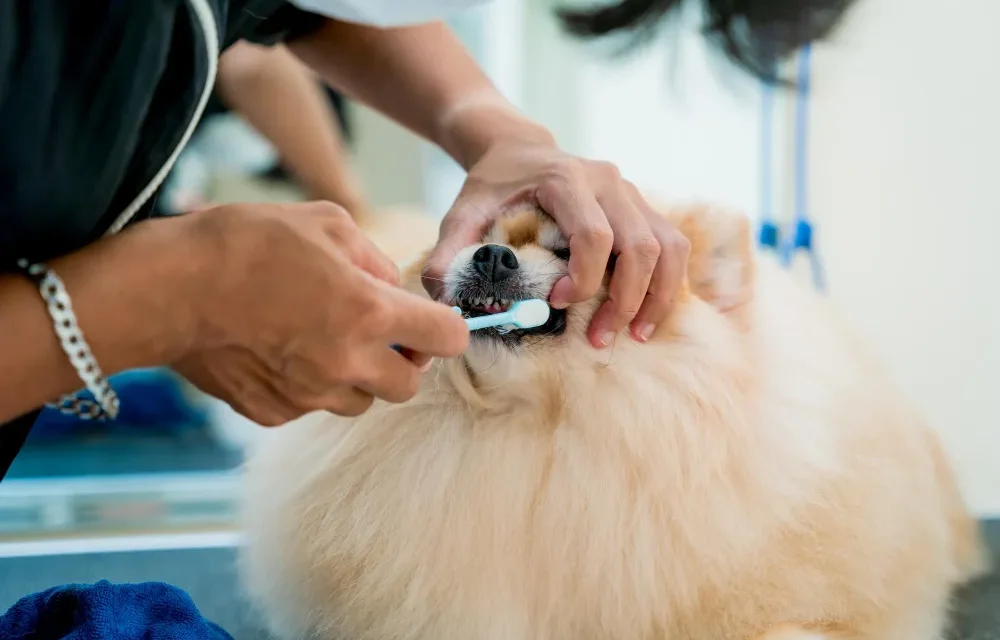
- Brush your dog’s teeth daily, or at least 3–4 times a week, using a pet-safe toothpaste and a soft-bristled brush. Regular brushing is the most effective way to prevent tartar.
- Offer vet-approved dental chews and dog dental care products specifically designed to reduce plaque and freshen breath. These can be a great supplement when brushing isn’t always possible.
- Use oral rinses or water additives recommended by your veterinarian to help control bacteria and improve gum health.
- Provide dental-friendly toys that promote chewing and naturally scrape away soft plaque from the teeth.
Does Pet Insurance Cover Dog Teeth Cleaning Costs?
Pet insurance can be incredibly helpful for unexpected dental ccidents or illnesses, but when it comes to routine dental cleanings, coverage isn’t always guaranteed. In most cases, standard pet insurance plans do not cover routine dog teeth cleaning costs, even though dental care is essential for preventing gum disease and painful oral issues.
Pet insurance rarely pays for standard cleanings, but it can help with costly treatments caused by advanced dental disease. If you want help covering routine dental care, choosing a plan with a wellness or preventive add-on is your best option.
Summing Up!
One of the most crucial things you can do to guarantee your dog has a long, happy, and pain-free life is to protect their dental health. Even while the cost of cleaning a dog’s teeth can vary depending on the dog’s weight, age, location, and the intricacy of the process, it is still significantly less than the cost, and heartache, of addressing advanced dental illness.
Regular at-home maintenance and routine professional cleanings can avoid uncomfortable problems, enhance general health, and lower future veterinarian expenses. You’re not simply taking care of your dog’s teeth when you stay aware, ask your veterinarian the correct questions, and take a proactive approach. You’re also safeguarding your pet’s comfort, well-being, and quality of life for many years to come.