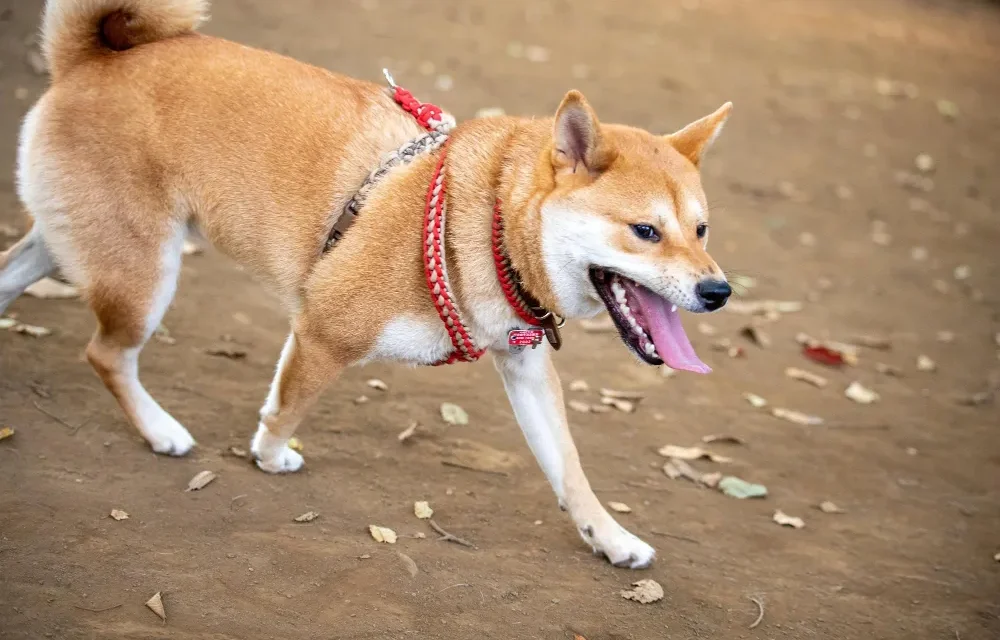
Shiba Inus are known for their compact build, agility, and spirited personality. While they are generally a healthy and resilient breed, they are not completely immune to orthopedic conditions. One issue that Shiba Inu owners should be aware of is hip dysplasia, a joint condition that can affect mobility and quality of life if left unmanaged. Understanding its causes and learning how to prevent it can help ensure your Shiba Inu stays active and comfortable for years to come.
What Is Hip Dysplasia?
Hip dysplasia is a developmental condition of the hip joint where the ball and socket do not fit together properly. Instead of moving smoothly, the joint becomes loose, leading to abnormal wear and tear over time. This can eventually result in pain, inflammation, and arthritis. Although hip dysplasia is more commonly associated with larger dog breeds like German Shepherd, smaller and medium-sized breeds like Shiba Inus can also be affected.
Signs of Hip Dysplasia in Shiba Inus
- Difficulty Rising or Sitting
- Limping or Favoring a Hind Leg
- Reduced Activity or Reluctance to Move
- Stiffness, Especially After Rest
- “Bunny Hopping” Gait
- Muscle Loss in the Hindquarters
- Audible Clicking or Popping in the Hip Joint
- Sensitivity or Pain When Touching Hips
Causes of Hip Dysplasia in Shiba Inus
- Genetic Predisposition: Inherited traits remain the leading cause, especially when breeding dogs are not screened for hip health.
- Poor Breeding Practices: Breeding without health certifications, overbreeding, or prioritizing appearance over structure can increase the likelihood of joint abnormalities.
- Rapid Weight Gain in Puppies: Sudden or excessive weight gain during early growth stages can place abnormal stress on developing hip joints.
- Nutritional Imbalances: Excessive calcium, improper calcium-to-phosphorus ratios, or low-quality diets can disrupt normal bone and joint formation.
- Lack of Muscle Development: Weak hip and thigh muscles fail to properly support the hip joint, increasing instability and joint laxity over time.
- Slippery Flooring: Frequent movement on smooth surfaces like tiles or hardwood floors can cause repeated joint strain and improper positioning of the hips, especially in puppies.
- Early Neutering or Spaying: In some cases, early sterilization may affect growth plate closure, potentially altering bone development and joint alignment.
- Repetitive High-Impact Activities: Activities such as jumping from heights, rough play, or intense running at a young age can damage immature hip joints.
- Poor Posture and Gait Development: Abnormal walking patterns or postural issues during growth can gradually worsen hip alignment and joint stability.
1. Genetic Predisposition
Genetics play the most significant role in the development of hip dysplasia. If a Shiba Inu inherits poorly formed hip joints from one or both parents, the likelihood of developing the condition increases. Even if symptoms are not visible early in life, genetic issues can surface as the dog matures. Responsible breeding and health screening are essential to reduce inherited risks. Without genetic testing, hip dysplasia can unknowingly be passed down through generations.
2. Poor Breeding Practices
Unethical or careless breeding practices greatly contribute to hip dysplasia. Breeders who prioritize appearance, coat color, or size over structural health may unintentionally increase joint-related problems. Lack of hip evaluations in breeding dogs allows genetic weaknesses to persist. Overbreeding and limited gene diversity can further amplify the risk. Choosing reputable breeders helps protect long-term joint health.
3. Rapid Weight Gain During Puppyhood
Shiba Inu puppies grow quickly, and excessive weight gain during this phase can stress developing hip joints. The bones may not be strong enough to support the added load, leading to joint looseness. Overfeeding or calorie-dense diets often contribute to this issue. Rapid growth can disrupt normal joint alignment. Controlled feeding is crucial during early development.
Read our complete blog about: Shiba Inu Size and Weight: What’s Normal?
4. Nutritional Imbalances
Improper nutrition can negatively affect bone and joint formation. Diets with excess calcium or incorrect calcium-to-phosphorus ratios may interfere with healthy skeletal development. Low-quality dog food lacking essential nutrients can weaken joint support. Over-supplementation can be just as harmful as deficiencies. Balanced, age-appropriate nutrition is vital for proper hip development.
5. Lack of Muscle Development
Strong muscles around the hips help stabilize the joint and absorb impact. When muscle development is poor, the hip joint relies more heavily on ligaments and bone structure. This increases joint instability and accelerates wear over time. Inactive puppies or dogs lacking regular movement may experience weaker muscle support. Proper exercise helps maintain joint strength and balance.
6. Slippery Flooring and Poor Traction
Constant movement on slippery surfaces like tiles or hardwood floors can affect joint stability, especially in growing puppies. Repeated slipping forces the hips into unnatural positions, causing strain over time. Puppies may develop improper gait patterns to compensate. This repeated stress can worsen joint alignment. Providing non-slip surfaces can reduce unnecessary joint pressure.
7. Early Spaying or Neutering
Early sterilization may influence the timing of growth plate closure in some dogs. Delayed closure can lead to disproportionate bone growth, affecting hip alignment. This imbalance may increase the risk of joint laxity. While spaying and neutering have benefits, timing should be discussed with a veterinarian. Individual growth patterns should always be considered.
8. Repetitive High-Impact Activities
Excessive jumping, running on hard surfaces, or intense play at a young age can damage immature hip joints. Puppies’ joints are still forming and are more vulnerable to injury. Repetitive strain can accelerate joint instability. High-impact activities may worsen structural weaknesses. Controlled, low-impact exercise is safer during early growth stages.
9. Poor Posture and Abnormal Gait Development
Improper posture or abnormal walking patterns can gradually worsen hip alignment. These issues may develop due to muscle weakness, poor footing, or early joint discomfort. Over time, abnormal movement places uneven pressure on the hips. This accelerates joint wear and instability. Early observation and correction can help minimize long-term damage.
Also Read: German Shepherd Hip Dysplasia: Signs, Symptoms, and Early Detection
Prevention Tips for Shiba Inu Owners
1. Choose a Responsible and Ethical Breeder
Selecting a reputable breeder is one of the most effective ways to reduce the risk of hip dysplasia. Ethical breeders conduct health screenings, including hip evaluations, on their breeding dogs. They prioritize structural health and genetic soundness over appearance alone. Asking for health certifications and breeding history helps ensure healthier puppies. This step plays a crucial role in long-term joint health.
2. Maintain a Healthy Body Weight
Keeping your Shiba Inu at an ideal weight significantly reduces pressure on the hip joints. Excess body weight increases joint strain and accelerates wear over time. Portion control, limited treats, and regular monitoring of body condition are essential. Even small weight gains can impact joint health. A healthy weight helps maintain mobility and comfort.
3. Provide Balanced, High-Quality Nutrition
Feeding your Shiba Inu a nutritionally balanced diet supports proper bone and joint development. Choose dog food appropriate for their age, size, and activity level. Avoid over-supplementing with calcium or joint products unless advised by a veterinarian. Proper nutrition helps regulate growth and supports muscle strength. Consistency in diet is key for joint stability.
4. Encourage Safe and Controlled Exercise
Regular exercise is important, but it should be appropriate for your dog’s age and development stage. Puppies should avoid excessive jumping, stair climbing, or rough play on hard surfaces. Controlled walks, gentle play, and low-impact indoor activities help strengthen muscles without stressing joints. As your Shiba Inu matures, exercise routines can gradually increase. Balanced activity supports healthy joint function.
5. Use Joint-Friendly Home Surfaces
Providing good traction inside your home helps reduce unnecessary joint strain. Slippery floors can cause repeated slipping, affecting hip alignment over time. Using rugs, mats, or non-slip runners can greatly improve stability. This is especially important for puppies and senior dogs. A joint-friendly environment supports safer movement.
6. Schedule Regular Veterinary Checkups
Routine veterinary visits allow early detection of joint issues before they become severe. Veterinarians can monitor growth, weight, and movement patterns. Early signs of joint instability can often be managed with lifestyle adjustments. Preventive care reduces the risk of long-term complications. Regular checkups support overall health and mobility.
7. Consider the Timing of Spaying or Neutering
The timing of spaying or neutering can influence skeletal development in some dogs. Early procedures may affect growth plate closure, impacting joint alignment. Discuss the most appropriate timing with your veterinarian based on your Shiba Inu’s development. Individual factors such as size and growth rate should be considered. Informed decisions help protect joint health.
8. Support Muscle Strength and Conditioning
Strong muscles around the hips provide essential joint support. Activities like walking on varied terrain or gentle incline walking help build muscle safely. Avoid prolonged inactivity, which can weaken muscles and reduce joint stability. Consistent conditioning improves balance and posture. Muscle strength plays a key role in preventing joint strain.
Summing Up!
Hip dysplasia in Shiba Inus is a serious but treatable illness, and early detection is critical to preserving your dog’s mobility and quality of life. Owners can dramatically minimize risk by recognizing the causes, which range from genetics and inadequate nutrition to high-impact activities, and taking preventive measures like as responsible breeding, balanced diets, safe exercise, and frequent veterinary care.
Early detection and treatment of joint disorders ensures that your Shiba Inu remains active, happy, and comfortable throughout their life. With careful attention and good management, you may let your Shiba Inu enjoy years of healthy, playful exercise while mitigating the effects of hip dysplasia.