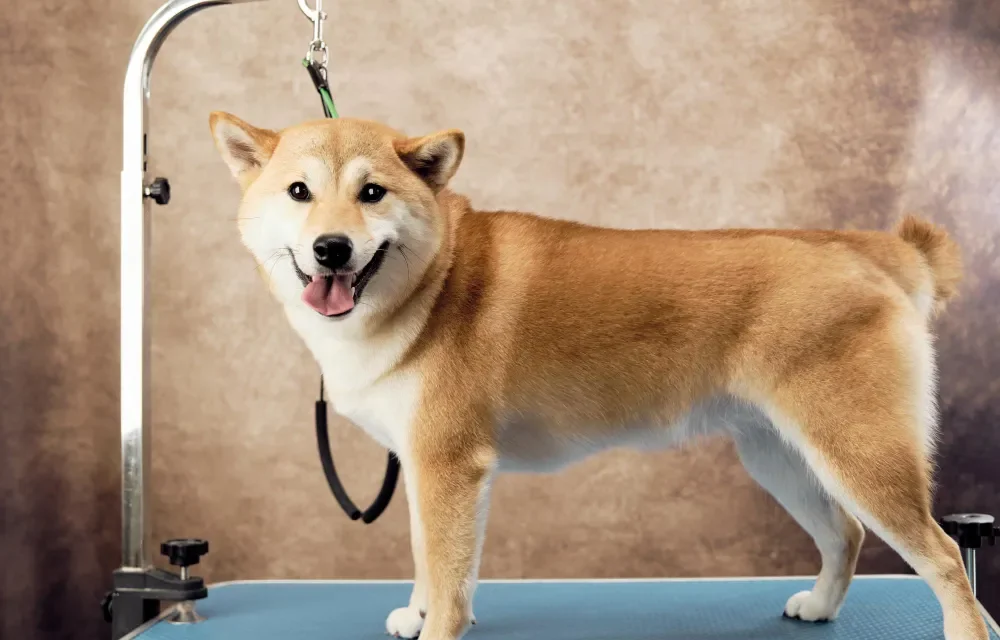
When it comes to our furry babies weight, we ofte miss out or just ignore it. But, knowing how big do they relly get, or whether your Shiba Inu growining normally is somehitthing you shouldn’t overlook.
Shiba Inu size, and weight tell an imporatant story about their helth, development, and wellbeing. Every dog’s weight vary so when raising a Shiba Inu dog breed, knowing what’s normal can help you support them at every stage of life.
So, let’s get ready and learn everything you need to know about your precious baby Shiba Inu’s size and weight, from puppyhood all the way to adulthood.
What Is the Normal Size of a Shiba Inu?
The Shiba Inu is one of Japan’s oldest native dog breeds, with a history that goes back over 3,000 years. Originally bred to hunt small game in Japan’s mountainous, brushwood terrain, Shibas were prized for their agility, sharp senses, independence, and hardy build.
Their physique reflects this history: small, muscular, and efficient, designed for speed, endurance, and tough terrain. Shiba dogs resemble foxes with their erect rectangular ears, almond-shaped alert eyes, curled tail slung over the back, and dense thick coat for protection.
Here’s the standard size of both male and female Shiba Inus.
| Attribute | Male Shiba Inu | Female Shiba Inu |
|---|---|---|
| Height at shoulder | 14.5 – 16.5 inches (37 – 42 cm) | 13.5 – 15.5 inches (34 – 39 cm) |
| Weight | 10 – 13.5 kg (22 – 30 lbs) | 8 – 11 kg (17 – 24 lbs) |
| Body Build | Compact, muscular, well-proportioned | Compact, muscular, slightly lighter and more delicate |
| Lifespan | 12 – 15 years | 12 – 15 years |
What is the Normal Weight of Shiba Inu?
For a healthy adult Shiba Inu dog breed, weight varies slightly between males and females but generally falls within a standard range. Male Shibas typically weigh between 10 and 13.5 kg (22–30 lbs), while female Shibas are slightly smaller, weighing around 8 to 11 kg (17–24 lbs).
These weight ranges reflect the breed’s compact, muscular, and agile build. Staying within this range usually indicates that your Shiba is healthy, well-fed, and developing correctly. Weight outside this range, either underweight or overweight, can signal dietary, exercise, or health issues, making regular monitoring important for your furry friend’s wellbeing.
Shiba Inu Size and Weight Chart
| Age | Male Weight (kg) | Female Weight (kg) | Male Height (cm) | Female Height (cm) |
|---|---|---|---|---|
| Birth | 0.2 – 0.3 | 0.2 – 0.3 | 3 – 5 | 3 – 5 |
| 1 Month | 0.5 – 1 | 0.5 – 1 | 5 – 8 | 5 – 8 |
| 2 Months | 1 – 2 | 1 – 2 | 8 – 10 | 8 – 10 |
| 3 Months | 2.5 – 3.5 | 2 – 3 | 15 – 18 | 14 – 17 |
| 4 Months | 3.5 – 5 | 3 – 4.5 | 18 – 22 | 17 – 21 |
| 5 Months | 4.5 – 6 | 3.5 – 5 | 22 – 25 | 20 – 23 |
| 6 Months | 6 – 8 | 5 – 7 | 25 – 30 | 23 – 28 |
| 7 Months | 6.5 – 8.5 | 5.5 – 7.5 | 28 – 32 | 25 – 30 |
| 8 Months | 7 – 9 | 6 – 8 | 30 – 33 | 27 – 32 |
| 9 Months | 7.5 – 10 | 6.5 – 8.5 | 32 – 35 | 28 – 34 |
| 10 Months | 8 – 11 | 7 – 9 | 33 – 37 | 30 – 35 |
| 11 Months | 8.5 – 11.5 | 7.5 – 9.5 | 34 – 38 | 31 – 36 |
| 12 Months | 9 – 12 | 8 – 10 | 36 – 39 | 32 – 37 |
| 13 Months | 9.5 – 12.5 | 8 – 10.5 | 36 – 40 | 33 – 38 |
| 14 Months | 10 – 12.5 | 8 – 11 | 37 – 41 | 34 – 39 |
| 15 Months | 10 – 13 | 8 – 11 | 37 – 42 | 34 – 39 |
| 16 Months | 10 – 13 | 8 – 11 | 37 – 42 | 34 – 39 |
| 17 Months | 10 – 13.5 | 8 – 11 | 37 – 42 | 34 – 39 |
| 18 Months | 10 – 13.5 | 8 – 11 | 37 – 42 | 34 – 39 |
From Playful Pups to Agile Adults: Shiba Inu Growth & Development
Shiba Inus don’t grow overnight, their journey from tiny puppy to confident adult is a fascinating process, marked by distinct growth phases. Each Shiba is unique, but understanding these stages can help you ensure your furry companion develops healthily and maintains their signature compact, athletic build.
Puppy Stage (Birth to 2 Months)
During the first two months, Shiba Inu puppies are tiny bundles of energy, weighing roughly 0.2 to 2 kg and measuring 3 to 10 cm at the shoulder at birth. Growth is rapid, with puppies often doubling their weight in just a few weeks. Their limbs are short, coordination is developing, and every day brings new curiosities and playful exploration. This early stage sets the foundation for healthy growth, socialization, and development.
Puppy to Adolescent (2–6 Months)
Between 2 and 6 months, Shibas enter the “stretching phase,” where height and length increase noticeably. At this stage, they typically weigh 2 to 8 kg and reach 10 to 30 cm at the shoulder. Their limbs elongate, chest broadens slightly, and their bodies begin to take on a more proportionate shape. Energy levels are high, and they become more curious, active, and ready to explore the worl, making gentle training and socialization critical.
Teen to Young Adult (6–12 Months)
From 6 to 12 months, Shiba Inus approach their adult height, usually standing 30 to 40 cm tall and weighing around 6 to 11 kg. Muscles begin to develop, giving them a solid, athletic build. Their coat transitions from soft puppy fluff to a thicker, denser adult coat. Behaviorally, they may test boundaries and assert independence, reflecting their fox-like, confident personality. This phase is key for reinforcing training and establishing healthy routines.
Adulthood (12–18 Months)
By 12 months, most Shibas have reached their full height, and by 15–18 months, they achieve their full adult weight and muscular structure. Adult males typically weigh 10 to 13.5 kg and stand 37 to 42 cm, while females weigh 8 to 11 kg and stand 34 to 39 cm. Their body is now perfectly proportioned, compact, and agile, embodying the breed’s signature fox-like appearance. At this stage, Shibas are confident, energetic, and fully grown, ready to thrive as loyal companions in a healthy, active lifestyle.
Signs Your Shiba Inu Might Be Over or Underweight
Healthy Weight
A Shiba Inu at a healthy weight is a picture of balance and agility. You should be able to feel their ribs easily, though they shouldn’t be visible. From above, a defined waistline is noticeable, and from the side, a gentle tummy tuck can be seen. A healthy Shiba moves with energy and grace, reflecting their naturally athletic and compact build. Maintaining this condition ensures their joints, muscles, and coat remain in optimal health.
Overweight
If your Shiba Inu is overweight, you may see a missing waistline and rounded tummy. Ribs are difficult to detect under the fur, and their motions may be slower or less nimble than usual. Overweight Shibas may struggle with endurance during exercise, breathe deeply after light activity, or develop joint stress over time. Watching their food and increasing physical activity can help them regain a healthy weight.
Also Read: Best Dog Food for Shiba Inu? Nutrition & Feeding Guide by Age
Underweight
An underweight Shiba Inu often shows prominent ribs, spine, or hip bones, giving them a bony appearance. Low muscle mass and a thin frame may be accompanied by reduced energy or lethargy, and their coat might appear dull or sparse. This can indicate insufficient nutrition, illness, or other underlying health issues. Ensuring proper diet, veterinary guidance, and regular monitoring is crucial to help an underweight Shiba reach a healthy, energetic state.
How to Monitor Your Shiba Inu’s Weight at Home?
Keeping track of your Shiba Inu’s weight at home is essential to ensure they grow healthily and maintain a strong, agile body. Fortunately, it doesn’t require complicated tools, a few simple techniques can give you a clear picture of your dog’s health.
1. Check the Ribs
Gently run your hands along your Shiba’s sides. You should be able to feel the ribs easily without pressing too hard, but they shouldn’t be protruding. If you can’t feel them, your dog may be carrying extra weight; if they are very prominent, your Shiba could be underweight.
2. Observe the Waistline
Look at your Shiba from above. A healthy dog will have a slight narrowing at the waist, just behind the ribs. From the side, there should be a gentle tummy tuck, the belly slopes upward toward the hind legs.
3. Track Weight Regularly
Use a digital pet scale or a regular scale with your Shiba in your arms to measure weight once a week or month, depending on their age. Puppies grow quickly, so more frequent checks help monitor their development.
4. Compare to Growth Charts
Refer to standard growth charts for Shibas (like the one in this blog) to see if your dog’s weight aligns with their age, sex, and expected size. Remember, individual variation is normal, but large deviations should be checked by a vet.
5. Observe Energy and Movement
A Shiba at a healthy weight is active, agile, and playful. If your dog seems sluggish, struggles with movement, or tires easily, it could be a sign of excess weight or another health concern.
Conclusion
Understanding your Shiba Inu’s size and weight is essential for raising a happy, healthy, and active companion. From tiny newborn puppies to confident adults, monitoring growth, maintaining a balanced diet, and ensuring regular exercise helps your Shiba Inu thrive at every stage of life.
By keeping an eye on their body condition, tracking weight at home, and referring to growth charts, you can spot potential health issues early and take proactive steps to support their wellbeing. Remember, a Shiba Inu’s compact, muscular build is part of what makes them agile, energetic, and full of personality, and with proper care, your furry friend will enjoy a long, healthy, and joyful life by your side.