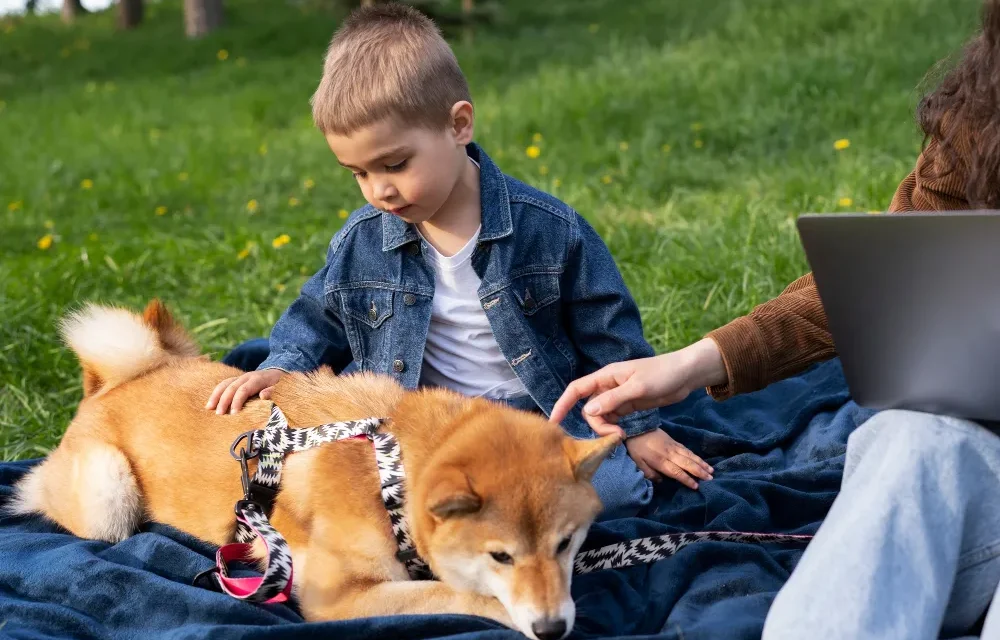
If you are considering bringing a Shiba Inu into your life, then it is important that you get to know the breed beyond their adorable fox-like features. Shiba Inus are originally from Japan, where they are one of the oldest and most treasured dog breeds. They are known for their intelligence, independence, and feisty attitude. Although Shiba Inus are undoubtedly adorable, charming, and beautiful, there are certain things that you need to consider.
In the following blog, we will get to know the advantages and disadvantages of bringing a Shiba Inu into your life.
A Brief Overview of the Shiba Inu
The Shiba Inu is a small to medium-sized dog, specifically designed to hunt small game in mountainous regions of Japan. The name “Shiba” means roughly “brushwood,” possibly in reference to their hunting location or their reddish hue, which blends in with brushwood in autumn.
The Shibas have gained worldwide recognition, particularly because of their distinct characteristics of being smart, independent, and adorable. Shibas are highly vigilant, energetic dogs, often described as having a “cat-like” personality,s uch as grooming themselves and enjoying solitude.
Although Shibas have gained worldwide recognition, they are not a dog that requires a lot of attention. Shibas require a delicate balance of training, socialization, and exercise to live happily as a family pet. Let’s explore the benefits of having one at home.
Pros of Owning a Shiba Inu
1. Independent and Low-Maintenance
One of the things that make the Shiba Inu breed so attractive is their independence. Unlike other dog breeds that always need attention, the Shiba Inu is happy to spend time on their own. This is a huge advantage, especially if you are busy or stay in an apartment where you might not be able to keep an eye on the dog all the time.
Independence does not mean that the Shiba Inu is aloof or does not care. Rather, the Shiba Inu is just confident. You can leave the dog alone for some time without worrying that the dog will suffer from separation anxiety. Although the dog needs attention, you should not forget that the your dog needs to be socially active.
Real-life example: Shiba Inu owners have said that their dogs love to spend time alone in a sunny corner while still being aware of the activities going on around the house.
2. Loyal and Devoted
While Shiba Inus are strong-willed dogs, they are loyal to their families. Shiba Inus have a tendency to attach themselves to their families. They have a strong instinct to protect their families. The loyalty of a Shiba Inu is not so obvious, but it is strong. They may not sit on your lap at every given time, but they will guard you from harm.
Fun fact: Shiba Inus in Japan are considered ‘guardian companions’ because of their alertness and willingness to protect their home.
3. Clean and Low Odor
If you are searching for a dog breed that does not need frequent bathing and does not have a strong “dog smell,” then the Shiba Inu is the best choice for you. They are self-cleaning dogs, just like cats, as they lick their fur to clean themselves. Moreover, they have a dense double coat that prevents dirt and odor from accumulating indoors.
This is one of the reasons why Shibas are the best choice for apartment dwellers or for people who value cleanliness. They are tidy dogs and do not need frequent grooming to remove their loose hair.
4. Compact and Agile
The Shibas are a small to medium-sized dog, weighing between 17 and 23 pounds and measuring 13 to 17 inches in height. Their small size, combined with their athletic build, makes them an ideal pet for city living.
Don’t let their small size fool you, though. Shibas are high-energy dogs that need regular exercise to stay happy and healthy. This includes walks, playtime, and even puzzle toys.
Owner’ tip: Shibas need regular playtime and exercise to prevent boredom and behavioral problems.
5. Beautiful Appearance
You cannot discuss the Shiba Inu without referring to its unique look. With its curled tail, fox-like face, pointed ears, and almond-shaped eyes, it is quite evident why the Shiba Inu is considered photogenic.
Shibas are also found in different coat colors, ranging from red, sesame, black and tan, to cream. Their thick coat not only makes the Shiba look good, but it also helps protect it from colder weather conditions. Their look has been described as “regal yet approachable.”
Cons of Owning a Shiba Inu
While Shibas are wonderful companions, they’re not for everyone. Here are some downsides of havinf Shiba Inu dog breed.
1. Highly Independent and Stubborn
The independence that makes Shibas low-maintenance can also make them difficult to train. Shibas are intelligent dogs; however, they can also be quite stubborn in following training because they may choose to follow or not follow a training command. They may even choose to be disobedient.
The key to training a Shiba is to be consistent and patient. They may not respond to harsh training; they respond better to positive reinforcement.
Training tip: Use short, engaging sessions with treats, praise, or toys to keep them motivated.
2. Strong Prey Drive
Shiba Inus are a hunting breed, so they have a high prey drive. This means that small animals, such as a squirrel, cat, or even a bird, can stimulate a strong instinct to chase the animal.
Outdoor time with the Shiba needs to be closely supervised, and the dog needs to be on a leash or in a fenced area. If not, the Shiba may attempt to flee, which could cause harm to the animal or the Shiba.
3. Can Be Aloof
Shibas are not generally considered to be lap dogs or pets that are always affectionate. They can be quite aloof, especially around strangers, and may take a while to warm up to new people or animals.
This can be a drawback if you are interested in a pet that is always seeking physical affection or interaction. However, this is a quality that many owners find desirable.
4. Escape Artists
Shibas are very smart and very curious, and this can sometimes get them into trouble as they try to find ways out of a closed area. They can jump over fences, squeeze through gates, or find small openings that other dogs may not consider an exit.
Having a high fence and supervising your Shibas when outdoors can help prevent escapes. Shibas can get into trouble if not contained properly, especially when their prey instinct causes them to chase small game or when they get too close to traffic.
5. Shedding and Grooming Needs
While Shibas are clean dogs, they are heavy shedders, especially during seasonal changes such as spring and fall. Shibas have a thick double coat that requires regular brushing, at least 2-3 times a week, or every day during seasonal changes.
Shibas are not high-maintenance dogs when it comes to baths, as their grooming behavior makes them odor-free.
Health Considerations
Shiba Inus are generally healthy, with a lifespan of 12–15 years, but like all breeds, they can be prone to specific health issues:
- Allergies: Shibas may suffer from skin allergies or food sensitivities.
- Hip Dysplasia: Although less common than in larger breeds, it can occur and should be monitored.
- Eye Conditions: Glaucoma and cataracts can affect the breed, so regular veterinary check-ups are recommended.
- Patellar Luxation: A knee condition that occasionally affects small dogs, including Shibas.
Regular vet visits, a balanced diet, and proper exercise can help prevent or manage most health issues.
Shiba Inu Lifestyle: What Owners Should Know
Exercise Needs
Shibas are energetic dogs that need adequate exercise and mental stimulation. Daily walks, play sessions, and puzzle toys are essential to prevent boredom, which can lead to destructive behavior.
Socialization
Early socialization is key. Introducing your Shiba to various people, pets, and environments from a young age helps prevent aloofness, fearfulness, or aggression later in life.
Training
Consistency is crucial. Short, positive training sessions with rewards and patience work best. Avoid harsh punishment, as Shibas may become stubborn or even anxious.
Mental Stimulation
Intelligent and curious, Shibas thrive on mental challenges. Puzzle toys, obedience games, and interactive play are important to keep their minds active.
Grooming
Regular brushing, occasional baths, and dental care are necessary. Nail trimming and ear cleaning should also be included in the routine to ensure overall health.
Is a Shiba Inu Right for You?
Shiba Inus are great companions for people who value intelligence, independence, and loyalty. They are well-suited to living with people who are able to properly train, socialize, and exercise the dogs.
Shiba Inus are for people who are able to provide the necessary mental stimulation, are understanding of the aloof nature of the breed, and who enjoy the playful and independent nature of the Shiba.
If you are looking for a lap dog that is always happy to be around you, or if you are not prepared to deal with the grooming and training requirements, then a Shiba Inu is perhaps not the best breed for you.
Final Thoughts
Owning a Shiba Inu is a challenging but rewarding experience. The Shiba Inu is a beautiful, smart, and spirited dog that is sure to stand out.
If you are willing to provide a loyal, smart, low-shedding companion that is just as charming as it is stubborn, then the Shiba Inu is the perfect addition to your family.
By learning about the Shiba Inu’s needs, grooming, training, and health, you can provide a happy, safe, and enjoyable life with this amazing breed of dog.